
Blog

The Rise of Investment Thinking
In a world where instant gratification dominates many decisions, real estate continues to be one of the few investment choices that rewards foresight, patience, and long-term thinking. It’s not just about owning a home—it’s about owning future value. Whether you're a first-time buyer, seasoned investor, or a global Indian seeking strong returns, the question isn’t just "Where should I buy?"—but "What future am I buying into?"
India’s Real Estate Momentum: A Decade of Promise
India's real estate sector is on a transformative journey, powered by urbanization, rising incomes, regulatory transparency, and technology integration. According to industry forecasts, the market is expected to reach a value of $1 trillion by 2030, with residential demand consistently rising in key cities.
But beyond growth metrics, what makes the Indian market truly unique is the pace at which urban infrastructure is aligning with modern lifestyle aspirations—paving the way for sustainable, luxury, and future-proof developments.
Infrastructure: The Bedrock of Real Estate Value
It’s an age-old real estate mantra: location matters. But in today’s context, infrastructure defines the location’s value. Roads, metro extensions, elevated corridors, flyovers, water lines, and digital infrastructure—these are the real catalysts behind property appreciation.
Zooming In: Gurugram’s Emerging Power Corridors
While buyer preferences and economic cycles influence demand, infrastructure remains the most consistent driver of long-term real estate appreciation.
Few cities exemplify this infrastructure-led growth better than Gurugram. In Gurugram, this dynamic has played out clearly—transforming once peripheral zones into prime luxury destinations.
Once a satellite to Delhi, it has evolved into a self-sustaining metropolis—home to global corporations, luxury retail, world-class schools, and high-end residential hubs.
Take the Southern Peripheral Road (SPR), for instance. It’s now one of the city’s fastest-growing corridors, thanks to direct access to NH-48, Golf Course Extension Road, and Sohna Road, along with the upcoming Gurugram Metro and multi-tier road upgrades. With capital values rising over 125% in the last five years, SPR exemplifies how strategic infrastructure planning unlocks both lifestyle and investment potential.
Similarly, the Dwarka Expressway—India’s first elevated urban expressway—has turned into a case study in infrastructure-driven absorption. Connecting Gurugram to Delhi and the international airport, this corridor saw 42,816 new units launched between 2010 and 2024, with nearly all sold. The numbers speak volumes about how access and mobility translate directly into market confidence.
Then there’s New Gurugram, nestled between SPR and Manesar, which has gained popularity for its well-planned road network, proximity to commercial hubs, and upcoming institutional development. It saw a 55% YoY rise in under-construction home values in 2024 alone, drawing in both domestic and NRI investors looking for long-term growth.
In all these zones, infrastructure hasn’t just improved convenience—it has redefined the perception of value and paved the way for luxury living aligned with global expectations.
What This Means for NRIs
For Non-Resident Indians, India’s real estate isn’t just a sentimental choice—it’s becoming a strategic asset class. The alignment of global-standard housing, green certifications, smart automation, and infrastructure transparency (under RERA) is making Indian luxury real estate an attractive option.
Especially in corridors like Gurugram, NRIs are finding homes that rival what they’re used to abroad—be it smart gated communities, wellness-integrated living, or legacy property potential.
Building for the Future, Investing with Intention
As India moves confidently toward becoming a $5 trillion economy, real estate will remain a key wealth-building pillar—but only for those who think beyond the brochure. Infrastructure, connectivity, lifestyle integration, and location dynamics are what define real estate value in 2025 and beyond.
Whether you’re looking for your next home or your next big investment, one thing is clear: future-ready real estate starts with infrastructure—and ends with foresight.

India’s real estate market is more than just a domestic investment story — it’s a thriving global opportunity. With the country's robust economy, infrastructural boom, and increasing lifestyle appeal, Non-Resident Indians (NRIs) are making significant moves in the sector. In fact, NRIs now contribute nearly 20–25% of total investments in new residential launches across top cities like Delhi-NCR, especially in key hubs like Gurugram.
This growing trend is not just about emotional reconnect — it's driven by the pursuit of strong capital gains, rental income potential, and long-term stability. However, behind every successful investment lies one essential factor: legal clarity.
For those looking to navigate the Indian property market with confidence, this NRI home buyer legal checklist will help you align with all regulatory and financial protocols — ensuring a safe, compliant, and successful real estate purchase.
1. Understand FEMA and RBI Guidelines
The Foreign Exchange Management Act (FEMA) and the Reserve Bank of India (RBI) define the boundaries of what NRIs can and cannot purchase. Here's what you need to know:
- NRIs are permitted to buy residential and commercial properties in India.
- Purchasing agricultural land, farmhouses, or plantation land is prohibited unless inherited or gifted.
- All payments must be made in Indian rupees through NRE, NRO, or FCNR bank accounts.
This is the foundation of legal compliance for NRI home buyers, and ignoring these basics can invite future complications.
2. PAN Card and KYC Are Non-Negotiable
A PAN card is mandatory for NRIs looking to purchase property in India. It is essential for:
- Property registration
- Tax deduction at source (TDS)
- Capital gains tax filings
Ensure your KYC documents are complete, including:
- Passport (with valid visa or OCI)
- Overseas and Indian address proof
- Recent photographs
- Proof of income and employment
3. Legal Due Diligence and Title Verification
Before finalizing a purchase, conduct thorough legal due diligence. This involves:
- Title verification to confirm clear and undisputed ownership
- Reviewing all prior sale deeds, agreements, and encumbrance certificates
- Ensuring land use and zoning regulations are in line with your intended use
- Checking project approvals and RERA registration for under-construction properties
Hiring a local real estate lawyer is strongly recommended to manage these checks.
4. Power of Attorney (PoA)
Since NRIs may not be present in India for every legal formality, a Power of Attorney allows you to authorize someone in India to act on your behalf.
- Must be notarized in the country of residence and attested by the Indian consulate
- Should clearly specify the rights (buying, registering, dealing with banks or developers)
5. Document Checklist for NRIs
Being organized saves time and reduces the risk of legal setbacks. Ensure you have:
- Passport and visa or OCI
- PAN card
- Overseas address proof (e.g., utility bill, lease agreement)
- Indian address proof (e.g., Aadhaar, voter ID)
- Employment and income proof
- Residency certificate (if required)
- POA (if applicable)
- Property-specific documents (title deed, sale agreement, NOCs, etc.)
6. TDS, Taxes, and Other Compliance
Tax compliance is one of the most overlooked aspects of NRI property investment. Here's what you should factor in:
- If buying from a resident Indian, 1% TDS applies on property values above ₹50 lakh
- If buying from another NRI, the TDS can go up to 20 percent, as per Section 195 of the Income Tax Act
- Be aware of capital gains tax, property tax, and rental income tax if you lease your property
- Annual income tax filing in India is mandatory if you generate taxable income
7. Beyond Compliance: Location and Developer Due Diligence
Legal paperwork aside, where you invest matters just as much. Carefully evaluate:
- Location growth potential — look for connectivity, social infrastructure, and demand trends
- Developer credibility — check past project delivery records, litigation, and public reviews
- Regulatory status — verify RERA registration, construction approvals, and NOCs
This safeguards you against delays, defaults, or disputed developments.
Bonus: Financing and Budgeting Tips
- Consider NRI home loans from Indian banks — repayment must be in INR
- Use NRE/NRO accounts for all transactions for transparency and compliance
- Budget for extra costs like stamp duty, registration fees, and legal charges
Why Are NRIs Buying Property in India?
Aside from emotional ties, India presents a lucrative opportunity for NRI investors due to:
- Favorable exchange rates — 1 USD ≈ ₹83–84 boosts purchasing power
- Strong rental yields and capital appreciation
- Diverse options — from affordable units to luxury homes
- Ease of transactions — streamlined processes, digital documentation, and tax-friendly benefits
Final Word: Make Your Move the Right Way
Buying property in India as an NRI is entirely achievable — but it’s a legal process that demands diligence and preparedness. Following this NRI home buyer legal checklist ensures you stay compliant, avoid surprises, and build a safe, high-return real estate portfolio in India.
If you’re planning to buy a home in 2025, start today — not just with your budget, but with your checklist.
Because smart investments begin with strong foundations.

For Non-Resident Indians (NRIs), investing in India is more than just a financial decision — it's often a mix of opportunity, legacy, and emotional connection. But as global markets fluctuate and short-term trends come and go, one approach remains timeless: investing with longevity in mind.
Whether you're diversifying across asset classes, building generational wealth, or simply looking to establish passive income back home, aligning your choices with long-term financial goals is the smartest move. Here’s how to make wise investment decisions that last — especially if you're an NRI looking to maximize both value and impact.
1. Why Long-Term Investment Should Be Your North Star
The biggest wealth builders — in India or abroad — understand one truth: time in the market is more valuable than timing the market. For NRIs, who often juggle assets across borders, long-term investment is the safest way to balance opportunity with predictability.
Why this matters:
- Enables wealth creation over time
- Builds resilience through market cycles
- Creates space for strategic tax planning and returns repatriation
- Helps establish stable income streams for retirement or family support in India
2. Real Estate: A Tangible Asset with Enduring Value
Among all asset classes, real estate as a long-term investment stands out for NRIs. It delivers both capital appreciation and passive income through investing; while offering the satisfaction of owning property in one’s home country.
Here’s why Indian real estate continues to attract global Indians:
- High absorption across residential segments
- Regulatory clarity through RERA and improved transparency
- Wide range of options — from plotted developments to smart luxury townships
According to recent industry data, premium and luxury housing in India grew 28% year-on-year in Q1 2025, with Delhi-NCR accounting for nearly half (49%) of this surge. Gurugram, in particular, has emerged as a frontrunner — not only due to its infrastructure upgrades but also because of its globally-aligned urban development model.
3. Focus Market: Gurugram and Its Growth Corridors
For NRIs looking at India with a long lens, Gurugram represents one of the most promising destinations for future-ready investment. Its key micro-markets have witnessed sharp capital appreciation, underpinned by infrastructure progress, lifestyle readiness, and sustained demand.
- Southern Peripheral Road (SPR): Property prices have appreciated by over 125% in the past five years, driven by multi-point connectivity and a flurry of luxury housing launches.
- Dwarka Expressway: With over 42,800 units launched and 41,899 sold between 2010–2024, this corridor reflects robust demand and investor trust. Strategic location, expressway access, and rapid infrastructure upgrades have driven 79% price appreciation over the past five years.
- New Gurugram: Emerging as a well-planned zone, this area saw 55% year-on-year appreciation in 2024 for under-construction homes, reflecting investor confidence.
These zones are not just attractive for today’s lifestyle — they’re future-proof investments backed by livability, rental demand, and developer credibility.
4. Smart Investment Choices Begin With Planning
Global Indians need a roadmap for investment planning strategies that factor in cross-border rules, tax implications, and long-term value.
Here’s what to keep in mind:
- Diversify across geographies and asset classes — stocks, real estate, gold, and fixed-income instruments
- Use strategic asset allocation tailored to your risk appetite and return expectations
- Consider India-focused mutual funds, REITs, or direct property investments
- Work with a trusted advisor familiar with both Indian and international compliance standards
For NRIs, market stability and investment choices go hand-in-hand — look for cities or sectors with consistent growth and strong regulatory oversight like RERA-compliant developments.
5. Build for the Next Generation: Beyond Returns
Long-term investments aren’t just about compounding capital — they’re about generational wealth planning. For many NRIs, investing in India is a way to leave a legacy or provide future security for children and extended family.
Think:
- Gifting property to heirs
- Using rental income to fund education
- Setting up long-term trusts or wills linked to Indian assets
Choosing future-proof investments — such as sustainable properties, education funds, or healthcare ventures — ensures your wealth serves a purpose beyond returns.
6. Sustainable Investing: Where Values Meet Value
NRIs are increasingly aligning their investment strategy with personal values. Sustainable investing in India — through eco-conscious housing, ESG funds, or clean energy startups — is gaining traction as a modern, ethical, and profitable path.
These are not just trends. They are future-aligned movements offering:
- Long-term capital safety
- Positive social or environmental impact
- Alignment with global standards on responsible investment
Conclusion: Choose Longevity, Not Just Returns
Whether you're based in Dubai, Singapore, London, or San Francisco — investing in India with a long view is your gateway to financial resilience and future readiness.
India’s high-growth corridors, like Gurugram’s - SPR, Dwarka Expressway, and New Gurugram, reflect a new chapter in India’s real estate evolution — where durable infrastructure, high-end living, and international appeal converge.
As an NRI, your advantage lies in access to global insights, strong remittance capacity, and the ability to blend local emotion with global expertise. Use that edge. Invest with patience. Allocate with purpose. And build a portfolio that doesn’t just grow — but sustains.
Because the best investments aren’t loud or flashy. They’re quietly compounding, deeply intentional, and built to last.

India’s real estate market has evolved into one of the most lucrative investment opportunities for Non-Resident Indians (NRIs). With rapid urban expansion, transparent regulations, a weakening rupee, and strong capital appreciation - real estate in India offers NRIs not only a return to their roots but also a powerful long-term investment vehicle.
And yet, financing that dream home isn't always straightforward.
For many global Indians, navigating NRI home loans is the first big step in the homebuying process. With different regulations, required documents, and eligibility criteria compared to resident Indians, it’s essential to understand the full picture. Whether you're buying a second home, planning for retirement, or investing for future rental income, applying for a home loan in India as an NRI requires due diligence, financial clarity, and strategic planning.
This comprehensive guide breaks down everything you need to know—from NRI home loan eligibility and interest rates to tax benefits and application tips—so you can approach your property investment with clarity and confidence.
1. NRI Home Loan Eligibility: Who Can Apply?
Before diving into the application process, ensure you meet the basic NRI home loan eligibility criteria:
- Residential status: Must be an NRI, Person of Indian Origin (PIO), or Overseas Citizen of India (OCI).
- Age: Between 23–60 years at the end of the loan tenure.
- Employment: Minimum 1–2 years of stable overseas employment with documented income.
- Income proof: Satisfying minimum income requirements (varies by country; e.g., $3,500/month for the US).
- Creditworthiness: A healthy credit score in India or overseas boosts your loan approval odds.
2. Interest Rates & Loan Tenure in 2025
As of 2025, major Indian lenders such as HDFC, SBI, Axis Bank, and ICICI offer NRI home loan interest rates ranging from 6.7% to 9.5% annually, depending on your profile and loan amount.
- Loan tenure: NRIs can typically opt for repayment periods of up to 30 years.
- Currency of repayment: Repayments must be made in Indian rupees via NRE/NRO accounts.
Tip: Opt for floating interest rates if you expect a downward trend, or fixed rates for long-term stability.
3. NRI Home Loan Application: What’s Required?
The NRI home loan application process is largely digital today, but thorough documentation is still key. Here's what most banks ask for:
NRI loan documents checklist:
- Passport & valid visa copy
- Overseas and Indian address proof
- PAN card (mandatory for property transactions)
- Employment proof (contract letter, ID card, salary slips)
- Latest 6 months’ overseas bank statements
- Property documents (agreement to sell, title deed, approved plans)
- Power of Attorney for NRIs (PoA) if you're unavailable in India during processing
4. Tax Benefits & Repayment Options
NRIs are eligible for the same tax benefits for NRI home loans as resident Indians under the Income Tax Act:
- Section 80C: Deduction of up to ₹1.5 lakh annually on principal repayment
- Section 24(b): Deduction of up to ₹2 lakh annually on interest paid for a self-occupied property
Repayment modes:
- EMIs must be paid from NRE, NRO, or FCNR accounts
- Online portals and international net banking make repayment easy from anywhere in the world
5. Tenure, Risk & Planning: Think Long-Term
The best strategy is to view your Indian property purchase as part of your investment planning strategy. Consider:
- Loan tenures aligned with retirement timelines
- Risk management in investing via EMI affordability and fixed vs floating interest choices
- Using real estate to build generational wealth planning and passive income through investing
Final Word: Home Loans Built for Global Ambitions
With the right approach, a home loan isn’t just a liability—it’s an enabler. It allows NRIs to secure valuable assets back home, generate steady income, and diversify their investment portfolio.
But success starts with wise investment decisions. That means:
- Understanding real estate regulations for NRIs
- Complying with FEMA rules for NRI property
- Knowing your NRI home loan repayment options
- Ensuring title verification for NRI buyers
For NRIs, a home loan isn’t just a way to buy property—it’s a strategic tool to convert global earnings into lasting assets back home. With the right preparation, clear understanding of compliance, and smart financial planning, owning property in India can be both rewarding and future-ready. Start informed, and invest with confidence.

The Indian real estate market has long been a preferred avenue for Non-Resident Indians (NRIs) looking to create wealth, reconnect with their roots, or establish a long-term base in their home country. With property prices on the rise, a favourable currency exchange environment, and improved regulatory clarity, many NRIs are wondering: “Is this the right time to buy a house in India?”
While the short answer may be “yes” for many, the reality is more nuanced. Buying a home—especially across borders—isn’t just about spotting a deal. It’s about evaluating one’s personal financial situation, understanding housing market trends, and making wise, future-proof investment decisions. For NRIs, this decision is further shaped by unique regulatory frameworks, funding logistics, and the ever-changing global economy.
Let’s break down the key considerations to help you determine the best time to buy property in India.
1. Current Real Estate Market Timing: What 2025 Looks Like
India’s real estate sector is set to maintain strong growth through 2025. The industry is estimated to touch a valuation of approximately $46.76 trillion by the close of 2025, with forecasts suggesting it could grow to $1 trillion by 2030, reflecting sustained investor confidence and evolving housing demand.
It’s a compelling opportunity for NRIs seeking stable, long-term investments. With a growing economy, improved transparency through RERA, and an upward trend in urbanization and infrastructure, India is becoming one of the most attractive real estate destinations globally. The demand for high-quality, future-ready housing has expanded across cities, particularly in premium and luxury segments.
For NRIs, this evolution is significant. Developers are now creating projects that rival international benchmarks in design, sustainability, and amenities — offering everything from green-certified smart homes to curated lifestyle experiences. These high-end developments cater to the modern global Indian, blending emotional connection with strategic investment.
Among all Indian regions, Delhi NCR — and specifically Gurugram — has emerged as the epicenter of this luxury housing boom. According to Anarock, 59% of all new housing launches in Delhi-NCR in 2024 were in the premium segment, reflecting a strong tilt toward quality-led real estate. Gurugram contributed nearly half of these launches, with micro-markets like Dwarka Expressway, SPR, and New Gurugram leading the way.
What sets Gurugram apart is its consistent alignment with international living standards: gated communities, biophilic architecture, private clubs, concierge services, and high compliance levels. In essence, the market is not just maturing — it’s meeting the global aspirations of the NRI buyer, making now an ideal time to explore its luxury corridors.
2. Financial Readiness for Home Purchase
While market timing is important, your own financial readiness for home purchase is just as critical. Consider:
- Do you have sufficient liquidity for a down payment (usually 10–20%)?
- Have you explored NRI home loan eligibility, interest rates, and EMI obligations?
- Are you prepared for added costs such as registration, stamp duty, property tax, and legal due diligence?
Strong personal finances give you more flexibility and better loan terms—important factors for overseas investors seeking low-risk entry points.
3. Interest Rates and Market Conditions for Buyers
India’s current home loan interest rates remain competitive, ranging from 6.7% to 9.5% per annum in 2025. With the RBI maintaining a stable repo rate environment, many banks are offering preferential rates to salaried and high-credit-score NRI applicants.
Additionally, the weakening Indian rupee enhances buying power for NRIs, particularly those earning in USD, AED, or GBP. This favorable currency equation makes now a good time to invest from a long-term ROI perspective.
4. Key Economic Indicators and Buyer Sentiment
The broader Indian economy continues to show resilience with robust GDP growth, steady FDI inflows, and aggressive infrastructure spending. These macroeconomic factors are helping stabilize the housing market, encouraging both end-user and investor activity.
Moreover, with a cultural shift toward owned homes post-COVID and the continued urbanization of Tier-1 and Tier-2 cities, real estate investment timing in India has entered a more reliable and predictable phase.
6. Checklist: How to Decide When to Buy a House
Use this simplified homebuyer checklist as an NRI:
- You have clarity on purpose—investment, end-use, or retirement
- ou have access to verified developers and legal counsel
- You’ve researched property price trends in target markets
- Your financials are solid and you’re pre-approved for a loan
- You’re buying in a RERA-compliant project with clean title
Timing the Market vs. Timing Your Readiness
So, should you buy a home now? If you're financially prepared and have identified a high-growth micro-market with solid fundamentals, the answer may well be yes. The combination of favorable exchange rates, stable interest rates, and promising market trends suggests that 2025 is a strong year for NRIs to enter or expand their presence in Indian real estate.
Ultimately, the best time to buy property isn’t just about external conditions—it’s when your personal finances, investment goals, and market knowledge align. And if that time is now, you’ll be tapping into one of the most stable and promising asset classes India has to offer.

In today’s luxury real estate landscape, the idea of extravagance is being reimagined—not through opulence alone, but through intentional design that respects the environment. Sustainable luxury homes are no longer a niche trend—they're fast becoming the benchmark for premium living. From biophilic design to solar-powered architecture, today’s high-end buyers, including global Indians and NRIs, are increasingly investing in homes that offer both indulgence and impact.
As awareness about climate change and responsible living grows, eco-friendly luxury homes are leading a quiet revolution—where aesthetics meet ethics, and style aligns with substance.
Why Sustainability Matters in Luxury Real Estate
Traditional luxury often emphasized scale, materials, and grandeur. But in 2025, luxury is more nuanced—it’s smart, conscious, and future-focused. Environmentally conscious luxury homes offer long-term value by integrating energy-efficient technologies, promoting healthier living, and significantly lowering carbon footprints.
For NRIs investing in India’s premium real estate segment, this shift brings added advantages: not only are you buying a well-appointed address, but one that is aligned with global green benchmarks.
Key Elements of Sustainable Luxury Home Design
- Smart Sustainable Homes
Modern luxury homes now integrate smart home automation systems that optimize electricity usage, lighting, air conditioning, and water consumption. These systems are not just about convenience—they reduce energy waste and operating costs over time. - Green Building Materials
From low-VOC paints to recycled wood and locally sourced stone, sustainable construction practices are now a hallmark of top-tier developments. The use of green building materials ensures durability, health safety, and a reduced environmental impact. - Solar-Powered & Net-Zero Designs
Many luxury residences are turning to solar energy solutions, with rooftop panels and battery storage systems allowing for net-zero energy usage—a major draw for eco-conscious homebuyers. - Water Efficiency Technologies
Features like greywater recycling, low-flow fixtures, and rainwater harvesting are fast becoming standard in luxury homes, aligning with responsible water management goals. - Biophilic Architecture
Merging nature with living spaces, biophilic design in luxury homes includes indoor gardens, vertical greenery, natural ventilation, and ample daylight—enhancing mental well-being and reducing dependence on artificial systems. - Green Certifications for Homes
Properties that carry certifications such as IGBC, EDGE, GRIHA, or LEED are considered more valuable in today’s market. These green-certified luxury homes command a premium and offer tangible long-term environmental and financial benefits.
Luxury Meets Responsibility in Indian Real Estate
India’s evolving premium housing market, especially in cities like Gurugram, Bengaluru, and Pune, is witnessing a strong push towards sustainable architecture. Developers are investing in environment-friendly real estate—from Southern Peripheral Road (SPR) to Dwarka Expressway to New Gurugram—where projects blend high-end amenities with green engineering.
For instance, many homes in Gurugram’s luxury micro-markets now feature EV charging stations, air purification systems, intelligent façade design, and renewable energy integration, all while delivering a refined lifestyle experience. These homes don’t just cater to current preferences—they’re future-proof investments for the globally aware NRI.
Why NRIs Are Embracing Eco-Conscious Luxury
The new generation of global Indians isn’t just looking for a home—they’re seeking a lifestyle aligned with their values. Eco-conscious homebuyers are prioritizing:
- Healthier living environments
- Lower operational costs
- Regulatory advantages and tax benefits
- Global-standard designs and innovation
For NRIs, choosing a sustainable luxury home in India is both a personal and prudent decision—one that supports generational wealth while contributing to a greener planet.
A Greener Future Is a Richer One
Sustainability is no longer a bonus feature in luxury real estate—it’s the foundation of its future. As modern luxury home trends continue to evolve, integrating eco-conscious elements is not just about being responsible—it’s about staying relevant and forward-looking.
Whether you're an NRI planning your next home or looking for a long-term investment with lasting impact, remember: luxury and sustainability now go hand in hand. Because in tomorrow’s world, the most coveted homes won’t just look good—they’ll do good.

Gurugram has firmly established itself as one of India’s most vibrant real estate markets. Over the past two decades, it has evolved into a global business and lifestyle hub, home to Fortune 500 companies, IT giants, and thriving industrial clusters. With excellent infrastructure, booming employment opportunities, and a cosmopolitan lifestyle, it’s no surprise that Gurugram is also one of the most sought-after places to live and invest in.
As the city continues to expand, new growth corridors are redefining its skyline and attracting both homebuyers and investors. According to recent market studies, the top 5 emerging real estate hotspots in Gurugram for 2025 are led by three standout destinations:
- Dwarka Expressway
- Southern Peripheral Road (SPR)
- South of Gurugram
Let’s explore why these corridors are being hailed as the new real estate destinations in Gurugram and how they are shaping the city’s future.
Dwarka Expressway: The Growth Powerhouse
The Dwarka Expressway, a 29-km, 16-lane signal-free corridor, is already rewriting Gurugram’s property market story. Connecting Dwarka in Delhi to NH-48 near Kherki Daula, it ensures effortless access to IGI Airport and central Gurugram.
The scale of appreciation here has been extraordinary. As reported by Fortune India, property prices along the expressway have jumped by 153% in just the last five years, driven by strong end-user demand and NRI investor interest. With luxury high-rises, premium integrated townships, and state-of-the-art commercial hubs springing up, this corridor is on track to become one of the most prestigious addresses in NCR.
For homebuyers, the expressway offers modern urban living with world-class amenities. For investors, it’s a clear opportunity for high returns in one of India’s fastest-growing real estate corridors.
Southern Peripheral Road (SPR): Gurugram’s Lifestyle Capital
The Southern Peripheral Road (SPR) has emerged as a premium lifestyle destination, offering both luxury living and commercial vibrancy. Strategically connected to Golf Course Extension Road, Sohna Road, and NH-48, SPR has become the go-to address for professionals, entrepreneurs, and high-net-worth families.
The Haryana government has announced a massive ₹2000 crore investment in infrastructure development along SPR, aimed at boosting road quality, civic facilities, and connectivity. In addition, the Gurugram Metropolitan Development Authority (GMDA) is working on projects worth over ₹8 crore, including dedicated cycle tracks, pedestrian walkways, and green belts, making the corridor more resident-friendly.
Developers have responded with unmatched enthusiasm. New launches here have surged by over 500% in the last five years, with more than ₹50,000 crore worth of projects announced since 2022. According to industry reports, property prices on SPR have risen by nearly 125% since 2020, making it one of the most rewarding investment zones in NCR.
From premium residences and international schools to corporate parks and upcoming malls, SPR is shaping up as a modern lifestyle hub where work, leisure, and luxury blend seamlessly.
South of Gurugram: The Aspirational Growth Hub
Once a quiet retreat, South of Gurugram (Sohna) has quickly emerged as one of the most dynamic residential markets in the region. Today, it stands as the third-largest micro-market in Gurugram, powered by the completion of the Sohna-Gurugram Elevated Corridor and its strategic location along the Delhi-Mumbai Industrial Corridor (DMIC).
What sets Sohna apart is its transformation into a premium and aspirational destination. Over the past few years, new launches here have outpaced the cumulative supply of the previous decade. A large share of homes—65% 2BHKs and 26% 3BHKs—caters to modern families, while developers are increasingly rolling out mid-to-high-end projects to meet rising demand.
The shift towards luxury is clear: 34% of properties launched in recent years are priced above ₹1 crore, more than double their share in 2019. Prices have nearly doubled since 2019, with a strong 13% increase in 2024 alone.Leading developers, including Signature Global, have elevated Sohna’s profile with landmark projects like DAXIN, a thoughtfully planned 125-acre township. With excellent connectivity and an expanding social infrastructure, South of Gurugram is now seen as an aspirational address that blends modern living with long-term investment value.
Gurugram’s Real Estate Forecast for 2025
With rapid infrastructure upgrades, government-backed investments, and strong corporate demand, Gurugram is all set to reinforce its status as India’s most promising real estate destination.
- Dwarka Expressway → A luxury and investment powerhouse with record appreciation.
- SPR → A premium lifestyle corridor backed by government investments and booming launches.
- South of Gurugram (Sohna) → An aspirational growth hub with premium housing options, strong connectivity, and unprecedented new project launches.
Together, these corridors are redefining the top 5 emerging real estate hotspots in Gurugram for 2025, offering unmatched opportunities for homebuyers and investors alike.

For Indian investors, one question never loses relevance: how do I protect my wealth against inflation?
The answer, time and again, points to real estate — and no city demonstrates this better than Gurugram.
In 2025, Gurugram is not just a business hub; it’s a lifestyle destination. With luxury wellness homes, eco-friendly projects, and stress-free living apartments, the city is showing how modern housing can both preserve value and improve quality of life. Unlike gold or stocks, homes here deliver a dual benefit: capital appreciation plus the comfort of sustainable, wellness-driven living.
Why Gurugram Real Estate is Inflation-Proof
- Asset Growth → Property prices in Gurugram’s key corridors have appreciated by double digits year after year, easily outpacing inflation.
- Rental Income Stability → End-user demand from professionals, families, and NRIs ensures steady yields.
- Wellness-Oriented Living → Projects designed with green spaces, fitness zones, and community wellness features attract long-term residents.
- Government-Led Infra Push → From expressways to elevated corridors and metro connectivity, Gurugram’s infrastructure keeps expanding.
This blend makes wellness residential projects in Gurugram not just homes, but future-proof financial assets.
Why Gurugram Real Estate Outpaces Inflation
From 2015 to 2024, residential property prices in Gurugram have seen multi-fold appreciation across key micro-markets, a trajectory fueled by robust infrastructure development and rising end-user demand. Rental yields, too, have strengthened, particularly in fast-growing corridors like Southern Peripheral Road (SPR), Dwarka Expressway, and South of Gurugram.
Take SPR, now hailed as the city’s lifestyle and growth corridor. With the ₹2,000 crore Haryana government infrastructure allocation, proposals for Metro, RRTS, MRTS, Global City, a heliport, and the world’s largest Jungle Safari, and seamless connectivity to NH-48, Golf Course Road, Sohna Road, and Dwarka Expressway, SPR is emerging as the truly the Central destination. Property values here have surged nearly 125% between 2020 and 2024, reflecting strong investor confidence.Meanwhile, the Dwarka Expressway continues to attract both domestic and global investors. As reported by Fortune India, property prices here have grown an astounding 153% in the last five years, driven by its world-class, 29-km access-controlled corridor connecting Delhi, IGI Airport, and Gurugram’s corporate hubs. The area is now a hotspot for luxury wellness homes in Gurugram, with integrated townships and premium high-rises designed for discerning buyers.
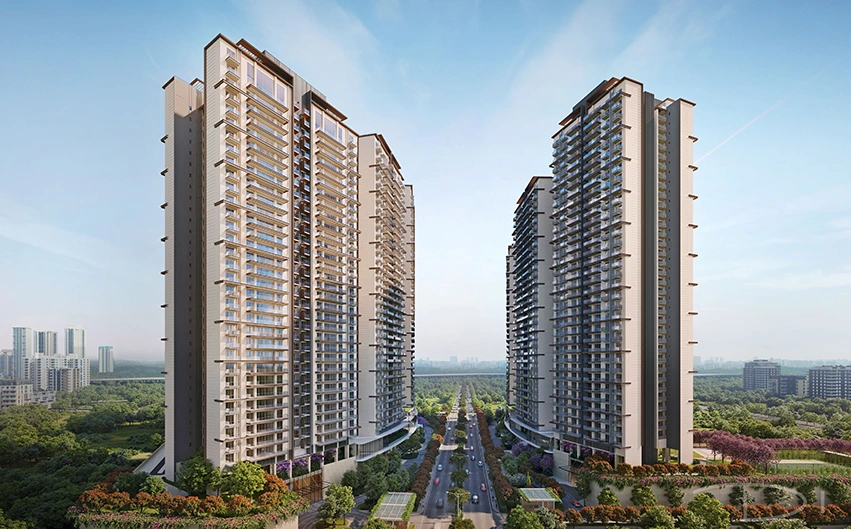
Adding to the momentum is South of Gurugram (Sohna), which has seen record-breaking housing supply since 2020 — already surpassing the entire previous decade. According to Square Yards, prices here have nearly doubled since 2019, with a 13% increase in 2024 alone. The Gurugram–Sohna Elevated Road and Delhi–Mumbai Industrial Corridor (DMIC) have put this micro-market firmly on the investment map. Premium projects are redefining the region with eco-friendly housing projects in Gurugram designed for aspirational living.
Unlike speculative booms of the past, today’s growth is anchored by end-users: professionals, families, NRIs, and HNIs seeking stress-free living apartments in Gurugram. This end-user–driven demand ensures resilience, protecting property values even during inflationary cycles while delivering consistent rental yields.
The Investor Advantage
For those seeking inflation-beating investments in 2025, Gurugram offers an unmatched proposition. Whether it’s wellness apartments in Sector 71, luxury high-rises in sector 84 along Dwarka Expressway, or integrated lifestyle townships in South of Gurugram, these developments combine strong ROI potential with future-ready amenities.
In Gurugram, real estate is no longer just about owning property — it’s about securing an asset that appreciates in value, generates reliable income, and delivers a lifestyle aligned with modern aspirations.

The year 2025 is proving to be a golden era for real estate investment in Gurugram, India’s most dynamic urban hub. Once a suburban satellite town, Gurugram has today transformed into a world-class metropolis — home to Fortune 500 companies, global IT giants, thriving commercial hubs, and luxury residential enclaves. With its unparalleled infrastructure, high-quality social amenities, and consistent price appreciation, the city has become a magnet for investors seeking both lifestyle and long-term returns.
Among the top property investment areas in Gurugram, corridors like the Southern Peripheral Road (SPR) and the Dwarka Expressway are setting the benchmark for growth. Offering a diverse mix of luxury apartments, premium gated communities, and high-yield investment opportunities, these zones reflect the very best of real estate trends in Gurugram 2025. Whether you’re a seasoned investor or a first-time buyer, the combination of strong connectivity, world-class developments, and proven ROI make Gurugram the go-to destination for the best property investment in 2025.
SPR: The Lifestyle and Growth Corridor
The Southern Peripheral Road (SPR) has swiftly evolved into one of the top ROI residential projects in Gurugram, attracting both end-users and investors with its unbeatable mix of luxury living and capital growth. Its location ensures seamless connectivity to NH-48, Golf Course Extension Road, Sohna Road, and the Dwarka Expressway, positioning it as the true Centre in Gurugram.
Key Growth Drivers
- The Haryana government has allocated ₹2,000 crore for SPR’s infrastructure development, including wider roads, green belts, and future-ready utilities.
- Over ₹50,000 crore worth of residential and commercial projects have been launched since 2022, cementing SPR as a growth magnet.
- Property prices have appreciated nearly 125% between 2020 and 2024, making it one of NCR’s fastest-rising real estate corridors.
Upcoming World-Class Infrastructure
SPR’s growth story is being supercharged by a wave of visionary developments:
- Metro, RRTS, and MRTS connectivity, ensuring swift commutes across Delhi-NCR
- The Global City Project, a mega mixed-use business hub set to redefine Gurugram’s economic landscape
- A proposed heliport for faster regional travel
- The world’s largest Jungle Safari, bringing unmatched recreational and ecological value
Lifestyle & Livability
The corridor is now dotted with luxury high-rises, integrated townships, and commercial hubs offering state-of-the-art amenities like sky lounges, co-working spaces, and wellness centres. Alongside, international schools, multispecialty hospitals, retail malls, and entertainment avenues make SPR not just an investment zone but a complete lifestyle destination.

With this unmatched blend of infrastructure, connectivity, and lifestyle, SPR stands as one of the most promising and lucrative real estate investment corridors in Gurugram for 2025.
Dwarka Expressway: The Powerhouse of Appreciation
The Dwarka Expressway continues to lead the charts as the prime Dwarka Expressway property investment 2025 destination. This 29-km, 16-lane access-controlled expressway connects Dwarka in Delhi to NH-48 near Kherki Daula, offering unparalleled access to IGI Airport, central Delhi, and Gurugram’s key business districts.
- As reported by Fortune India, property prices along Dwarka Expressway have grown by a staggering 153% in just five years due to strong housing demand.
- The region has become a hub for luxury housing and high-end integrated projects, attracting both NRIs and high-net-worth individuals.
- With its proximity to Cyber City and Aerocity, the area is increasingly popular with working professionals seeking modern, well-connected homes.

Projects such as Signature Global Twin Towers and other premium developments are redefining luxury, offering spacious layouts, cutting-edge amenities, and lush green surroundings. The expressway has quickly become the most sought-after real estate destination in Gurugram, both for end-users and long-term investors.
Why Gurugram in 2025 is a Smart Bet
The broader real estate trends in Gurugram 2025 point to sustained growth, driven by a booming service economy, expanding infrastructure, and rising demand from young professionals and NRIs.
- Diversified Micro-Markets → From SPR to Dwarka Expressway, each corridor offers unique benefits.
- Strong Appreciation → Double-digit growth rates have been consistent since 2020.
- Premium Lifestyle Offerings → From luxury apartments to global-standard amenities, Gurugram sets the bar high.
- End-User Driven Demand → Unlike speculative spikes, today’s demand is led by professionals, families, and genuine buyers.
Investing in Gurugram’s Future
Whether you are a seasoned investor or a first-time buyer, Gurugram in 2025 offers the best property investment opportunities in India. With the unmatched growth potential of SPR and Dwarka Expressway, and projects like Signature Global’s premium developments leading the way, this is the ideal time to secure your place in the city’s future.
For those seeking top ROI residential projects in Gurugram, Gurugram’s key corridors promise not only capital appreciation but also an elevated lifestyle — truly the best property investment in Gurugram 2025.

In the ever-evolving skyline of Gurugram, two corridors have emerged as pillars of planned urbanization and real estate success: the Southern Peripheral Road (SPR) and the Dwarka Expressway (NPR). These two stretches of infrastructure have not only reshaped the geography of the city but have also elevated Gurugram’s standing as one of India’s most desirable places to live and invest in.
From luxury gated communities near SPR Gurgaon to luxury gated apartments on Dwarka Expressway, these corridors now symbolize the seamless blend of lifestyle, location, and long-term value.
Southern Peripheral Road (SPR): Gurugram’s Premium Residential Spine

The Southern Peripheral Road—spanning approximately 16 km—connects major arterial roads such as Golf Course Extension Road, Sohna Road, and NH-48. Initially developed to ease congestion and improve intra-city mobility, SPR has grown into one of Gurugram’s most sought-after residential destinations.
Location & Connectivity
SPR offers unparalleled access to Gurugram’s established business hubs like Cyber City, Golf Course Road, and Udyog Vihar. Its strategic placement means residents are never too far from premium commercial zones, educational institutions, hospitals, and entertainment centers.
Its direct linkage to NH-48, upcoming metro expansions and upcoming infrastructure developments further enhances its value and ofcourse mobility—not just within Gurugram, but to South Delhi, Manesar, and even Jaipur. Major infrastructure upgrades like proposed metro extensions, the Delhi-Alwar RRTS, and MRTS to Manesar are setting a new benchmark for urban connectivity.
Green, Gated Living
One of SPR’s most defining features is its development pattern—low-density, high-quality gated communities with a focus on green belts, community zones, and wellness infrastructure. Unlike the crowded urban cores, SPR offers space—both literal and mental. This makes it the perfect canvas for luxury gated homes with green space.
Strong Investment Metrics
SPR has witnessed a 125% price appreciation over the last five years, driven by rising demand, planned development, and strengthening social infrastructure. Sectors such as 70A, 71, 73, 75, and 79 have emerged as hotspots for new-age gated communities, attracting working professionals, HNIs, and global investors. Notably, luxury housing launches in this corridor have surged by over 584% since 2020, reflecting a clear shift in buyer preferences toward premium living.
Dwarka Expressway (NPR): The Northern Growth Powerhouse
The Dwarka Expressway, stretching over 29 km from Dwarka in Delhi to Kherki Daula in Gurugram, has transitioned from a promise to a flagship infrastructure project—delivering massive value in real estate, connectivity, and urban design.
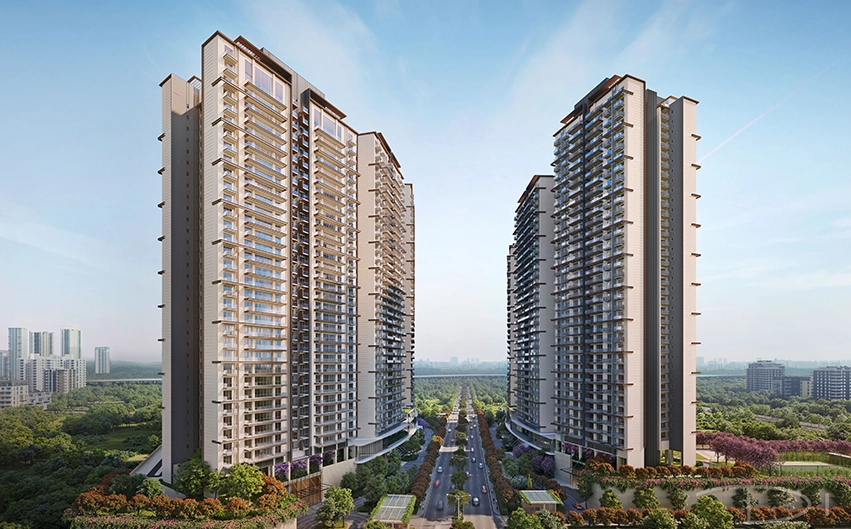
Often referred to as India’s first elevated urban expressway, this corridor represents a bold shift toward planned, world-class urban living.
Seamless National Capital Connectivity
The expressway links directly to Dwarka, IGI Airport, and Delhi’s Diplomatic Enclave, making it a hotspot for professionals, expats, and frequent flyers. With upcoming infrastructure like the India International Convention Centre, metro extensions, and new tunnels, Dwarka Expressway will soon be one of the most accessible corridors in NCR.
Infrastructure-First Development
Unlike older zones that grew without a plan, the Dwarka Expressway corridor has benefited from planned sectoral layouts, wide internal roads, and smart civic infrastructure. Sectors such as 37D and 84 are now dotted with premium gated communities offering modern layouts, advanced security, wellness amenities, and landscaped zones.
Exceptional Capital Growth
Dwarka Expressway has recorded a staggering 153% property price appreciation in the last five years, outpacing all other micro-markets in Delhi-NCR. This phenomenal growth is backed by strong end-user demand, steady supply, and unmatched future potential.
Why Gated Communities Thrive in These Corridors
Both SPR and Dwarka Expressway are ideal ecosystems for top-rated gated societies due to:
- Master-planned sectors with designated zones for residential, commercial, and green use
- Modern infrastructure including wide roads, upcoming metro routes, and organized civic layouts
- Lower population density, which enables better planning and quality of life
- Focus on open spaces, walking trails, clubhouses, sports infrastructure, and gated security
The rise of gated communities near SPR and Dwarka Expressway represents a shift in buyer mindset—from location alone to lifestyle, sustainability, and long-term value.
Who Should Invest Here?
These corridors are perfect for:
- Professionals seeking quick access to business hubs but preferring quieter residential zones
- NRIs and expats looking for modern gated homes with rental and resale potential
- Families who want proximity to schools, healthcare, and secure environments
- Investors focused on long-term appreciation, rental yield, and asset stability
Whether it’s SPR’s green, well-connected sprawl or Dwarka Expressway’s high-rise skyline and airport linkage—the promise is clear: growth, quality living, and future-ready infrastructure.
Conclusion: Two Corridors, One Future
SPR and Dwarka Expressway are no longer just emerging destinations—they are the centers of gravity for Gurugram’s real estate evolution. With solid infrastructure, exceptional growth, and thoughtfully designed gated communities, they offer the best of urban life—without the chaos.
If you’re looking for gated communities near SPR Gurgaon or luxury gated apartments on Dwarka Expressway, you’re not just buying a home—you’re investing in a better, smarter future.

The Real Cost of Owning a Home
Buying a home is a significant milestone. But the excitement of sealing the deal is often followed by an overlooked reality: ongoing homeownership costs. From annual property taxes and maintenance to insurance and utilities, the cost of owning a house goes well beyond the purchase price.
For first-time buyers—including Non-Resident Indians (NRIs) investing in property back home—understanding and preparing for post-purchase home expenses is critical. Whether it's a luxury apartment in Gurugram or a vacation home in Goa, the financial responsibilities don’t end with the sale deed.
Let’s break down what goes into budgeting for homeownership and how smart planning can ensure your investment remains an asset—not a liability.
1. Property Tax and Insurance: The Non-Negotiables
Every homeowner in India is required to pay property tax, which varies based on the city, property size, usage type, and location. For instance, annual property tax for a ₹5 crore home in urban areas like Gurugram or Bengaluru could range between ₹50,000 to ₹1,00,000, depending on municipal rates.
Home insurance, while not mandatory, is a smart investment—especially for NRIs. A comprehensive policy can cost anywhere between ₹2,000 to ₹10,000 annually for mid to high-end properties, and covers everything from fire and natural calamities to theft and structural damage.
2. Maintenance Costs: A Recurring Commitment
Whether you're living in the property or renting it out, home maintenance costs are unavoidable. Gated communities and apartment complexes often charge monthly maintenance fees.
In independent properties, regular upkeep—such as plumbing, pest control, landscaping, and periodic repairs—can easily add up to 1–2% of the property’s value annually. That’s nearly ₹5–10 lakh per year for homes priced in the ₹5 crore bracket.
3. Utility Bills and Operational Expenses
While new-age homes often boast energy-efficient designs, utility costs still need to be factored in. Electricity, water, gas, and broadband services typically cost:
- Electricity: ₹4,000–₹15,000/month depending on consumption and city
- Water & gas: ₹1,000–₹3,000/month
- Internet & DTH: ₹1,000–₹2,500/month
Smart homeowners also install solar panels or automation systems to cut recurring costs—especially in luxury homes that aim for net-zero living.
4. Interiors, Furnishing & Appliances: Hidden Yet Essential
New homeowners often underestimate the cost of furnishing and fitting out their homes. Modular kitchens, wardrobes, premium lighting, and smart appliances can cost anywhere from ₹10 lakh to ₹50 lakh, depending on tastes and size.
NRIs, in particular, who may not visit the property frequently, often opt for fully furnished turnkey options, which may require a one-time setup but reduce future hassle.
5. Security and Smart Home Features
In an era of digital convenience and safety concerns, smart security systems—such as CCTV, biometric access, and remote home automation—are increasingly becoming a norm. These setups typically involve:
- Installation cost: ₹50,000 to ₹5 lakh
- Annual maintenance: ₹10,000–₹25,000
6. Financial Planning Tips for Homeowners
Owning a home is a long-term financial journey. Here are a few smart tips to manage homeownership costs:
- Create an annual homeownership budget with all recurring and one-time costs
- Set aside an emergency maintenance fund—typically 1% of property value annually
- Review insurance and property tax dues every year and keep digital records
- NRIs should assign a trusted Power of Attorney (POA) or hire a local property manager to manage the property efficiently
7. Why NRIs Should Plan Even More Carefully
For NRIs, the cost of owning a house in India isn’t just financial—it includes coordination, legal compliance, and long-distance decision-making. This makes it even more important to:
- Budget for property management services
- Ensure remote access and automation
- Stay updated on tax norms, TDS rules, and repatriation procedures
With the rise in luxury home purchases by NRIs—especially in cities like Gurugram, where apartments upwards of ₹10 crore are becoming more common—the need for strategic planning is vital. According to recent market data, 59% of new launches in Delhi-NCR in 2024 were in the luxury segment, showing the sharp shift toward premium, long-term real estate assets.
The Deal Is Just the Beginning
The excitement of homeownership should not be dampened by unforeseen costs. By planning for home maintenance, taxes, insurance, and lifestyle upgrades, you not only safeguard your asset but also elevate your quality of life.
Whether you’re a resident buyer or an NRI investing in India’s booming real estate market, understanding the real cost of homeownership is key to making your purchase a sustainable success.

Gurugram’s Southern Peripheral Road (SPR) has firmly cemented its position as one of the most coveted real estate corridors in the Delhi-NCR region. With property prices witnessing an exceptional 125% property growth Gurugram over the past five years, the area has become a hotspot for homebuyers and investors. This remarkable surge is fuelled by infrastructure-driven growth Gurugram and the corridor’s strategic development, making it a jewel in Gurugram’s urban expansion story.
SPR: A Prime Investment Destination
The rise of SPR as a real estate powerhouse is no coincidence. Blessed with a strategic location and robust connectivity, it has consistently attracted attention from property seekers. Over the last five years, property prices along SPR have increased from ₹7,690 per sq ft in 2019 to ₹17,300 by mid-2024. This remarkable appreciation underscores its growing stature as one of the hot investment zones Gurugram, providing an ideal mix of residential, commercial, and lifestyle opportunities.
Infrastructure: The Catalyst for Growth
SPR’s transformation has been driven by a series of infrastructure upgrades that have redefined the region’s accessibility. The widening of key roads, the addition of flyovers, and the construction of underpasses have significantly eased traffic flow, providing seamless connectivity within Gurugram and to neighbouring cities.
The metro network extension to SPR will be a game-changer, drastically reducing commute times and integrating the area with the larger NCR. These advancements have made SPR a natural choice for professionals and families seeking well-connected yet serene urban living.
Commercial Expansion Drives Demand
SPR’s burgeoning commercial ecosystem has played a pivotal role in its evolution. The corridor now boasts cutting-edge Grade-A office spaces, co-working hubs, and expansive tech parks, attracting leading corporations and startups. This influx of businesses has driven demand for quality housing, sparking the development of modern residential projects.
Top Developers have responded by offering homes that combine contemporary design with smart technologies, green architecture, and vibrant community spaces. The area’s live-work-play environment is further enhanced by retail spaces, cafes, and recreational hubs, making it an all-encompassing urban experience.
A Long-Term Investment Opportunity
For investors, SPR represents a promising avenue. The steady rise in property values, coupled with a thriving economic environment, positions it as a high-yield zone for Gurugram property investment. Experts highlight that SPR real estate trends showcase long-term growth potential driven by consistent demand and robust infrastructure.
Gurugram’s Development Story
On a broader scale, SPR reflects the success of Gurugram’s urban strategy—leveraging infrastructure and commercial growth to create sustainable real estate ecosystems. Developers like Signature Globalwith their premium projects such as Signature Global Titanium SPRhave contributed to this vision, offering projects that align with modern urban living standards while maintaining quality and affordability.
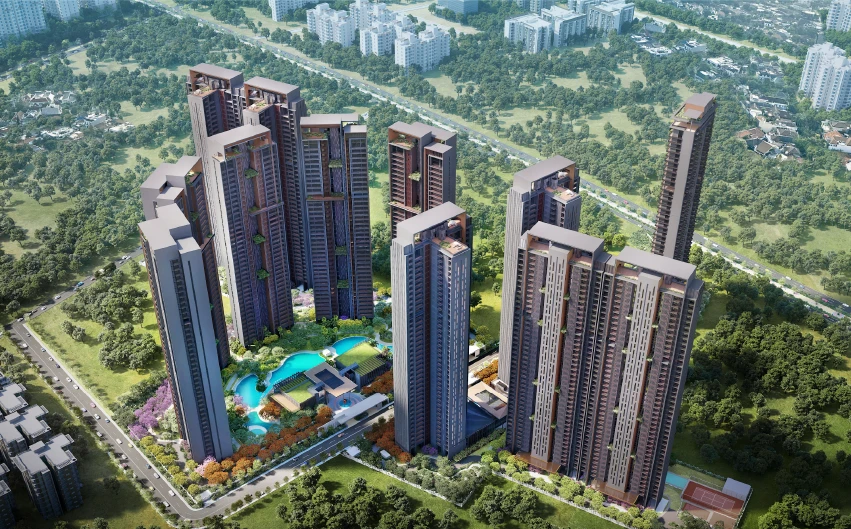
The Southern Peripheral Road stands as a beacon of Gurugram’s progress, demonstrating the power of strategic planning and development. With its exceptional 125% property growth Gurugram, SPR is not just a thriving real estate corridor but also a testament to the city’s future-forward approach. As development continues, SPR promises to remain a prime destination for homeowners and investors alike.

Purchasing your first home is one of the most significant milestones in life, and in India, it often represents not just a financial investment but an emotional one too. Whether you're buying alone or with your family, it's essential to ensure you're prepared for this long-term commitment.
Consider Your Future Plans
Before diving into the home-buying process, think about your short-term and long-term goals. For instance:
- Are you planning to start a family soon?
- Will your work require you to move to another city or state in the near future?
These factors play a vital role in deciding the location and type of property you choose.
Evaluate Your Financial Readiness
It’s crucial to assess your financial stability, as buying property in India often involves substantial expenses beyond just the price of the house. Here are key aspects to review:
- Income Assessment: Calculate your monthly income, including your salary and any additional earnings, to determine your budget.
- Savings for Down Payment: Indian banks typically ask for 15–20% of the property’s value as a down payment. Make sure your savings are adequate.
- Budgeting: Factor in costs like property registration, stamp duty, loan processing fees, and monthly EMI (equated monthly installment) payments to decide how much you can comfortably afford.
Check Your Credit Score
Your credit score is a crucial element in determining your eligibility for a home loan and the interest rates you’ll receive. Here’s why it matters:
- Indian Home Loans: Most banks require a minimum credit score of 750 for home loans. The higher your score, the better your chances of securing a favorable loan term.
- Improving Your Credit Score: Regularly review your credit report, clear outstanding debts, and avoid taking on multiple loans at once to improve your score.
Understand the Loan-to-Value (LTV) Ratio
Indian banks use the Loan-to-Value ratio to decide the maximum loan they can sanction for a property. The LTV ratio depends on factors such as your income, credit score, and the value of the property. Banks generally offer 75–90% financing for home loans, with you contributing the remaining amount as a down payment.
Calculate Your Home Affordability
Based on your financial stability, savings, and expected loan approval, determine the price range of homes you can afford. Online EMI calculators provided by Indian banks or consulting with a financial advisor can help you plan your budget effectively.
Conclusion
Buying your first home in India is a rewarding experience that requires thoughtful planning and preparation. By evaluating your financial readiness, maintaining a strong credit score, understanding loan terms, and calculating home affordability, you can confidently embark on this exciting journey toward homeownership.

India’s real estate market offers a diverse range of options, from high-rise apartments to independent houses and gated communities. However, searching for a home without proper planning can lead to financial strain or uninformed choices. A strategic approach can make your home-buying journey smooth and rewarding. Here’s how:
Define your Budget
Your budget is the backbone of a successful property search. Before you start browsing homes, determine how much you can afford. Factors to consider include:
- Your financial standing: Understand your income, savings, and potential loan eligibility.
- Property prices in your preferred location: Market rates vary widely across cities and localities in India.
Randomly visiting projects may tempt you into overspending, so set realistic financial boundaries beforehand.
Get Financially Prepared
Buying a home requires substantial financial planning. Ensure you are ready by:
- Assessing Your Finances: Evaluate your monthly expenses and savings to determine how much you can comfortably allocate for a home purchase.
- Planning for the Down Payment: Indian banks typically finance up to 75-90% of a property’s cost, requiring you to pay the rest upfront. Having this amount ready avoids delays.
- Accounting for Additional Costs: Factor in expenses such as stamp duty, registration fees, maintenance charges, and property tax.
Understand Hidden Costs
Beyond the listed price, owning a home comes with extra expenses, including:
- Legal & Processing Fees: Registration costs, documentation charges, and home loan processing fees.
- Maintenance & Utilities: Monthly society maintenance charges, electricity bills, and water supply fees.
Being financially aware of these expenses ensures a more accurate assessment of affordability.
Check Your Credit Score and Manage Debt
If you’re taking a home loan, your CIBIL score plays a crucial role in determining your loan eligibility and interest rate. To improve your score:
- Check your credit report: Ensure there are no discrepancies that could affect your loan approval.
- Maintain good financial discipline: Pay your EMIs and credit card bills on time. Lower outstanding loans before applying for a home loan to get better interest rates.
Conclusion
Owning a home in India is a significant life milestone. With a well-planned budget, financial preparedness, awareness of hidden costs, and a strong credit profile, you can make a confident and informed purchase. Whether you're buying in a metropolitan city or a growing suburban area, thoughtful planning will help you find a property that suits your dreams and finances.

Buying your first home is an exciting milestone, but the biggest hurdle for most first-time buyers is saving for the down payment. The good news is that with the right strategies, you can reach your savings goal without putting your financial stability at risk. Here are some practical and effective tips to help you save for your dream home, step by step.
Set a Clear Savings Goal
Before you begin saving, it’s essential to know how much you need. The general rule of thumb for a down payment is 20% of the home’s purchase price, but many loan programs allow for smaller down payments, as low as 3%. To figure out your target amount, start by calculating how much you’ll need based on your desired home price. Then, break it down into monthly or bi-weekly savings goals to make the process feel more manageable.
Create a Budget and Track Your Expenses
Creating a detailed budget is one of the most effective ways to identify where you can cut back on unnecessary spending and redirect those funds toward your down payment. Track your income and expenses closely to see where your money is going each month. Small sacrifices—like cutting back on dining out, subscriptions, or impulse buys—can add up quickly. By trimming unnecessary costs, you’ll free up more money to contribute to your home savings.
Open a Separate Savings Account
One of the best ways to stay focused on your down payment goal is by opening a dedicated savings account. Keep your down payment savings separate from your regular checking or savings account to avoid the temptation of dipping into it for everyday expenses. Consider opening a high-yield savings account to earn more interest on your funds. Additionally, explore options like a certificate of deposit (CD) if you’re able to lock in your money for a set period, as this can yield higher returns.
Automate Your Savings
Making saving a habit is easier when you automate the process. Set up automatic transfers from your checking account to your dedicated savings account. Treat these transfers like a non-negotiable bill. By paying yourself first, you ensure that you consistently contribute to your goal without needing to remember to make manual transfers every month.
Reduce Debt and Improve Your Credit Score
Lenders assess your creditworthiness when you apply for a mortgage, and a strong credit score can help you secure a better interest rate. Focus on paying down high-interest debt, such as credit cards, and avoid taking on new debt during the home-buying process. This will not only improve your credit score but also free up more funds for savings. Consider making extra payments on existing loans or consolidating your debt to lower your monthly obligations.
Take Advantage of Employer Benefits and Down Payment Assistance Programs
Many employers offer programs that assist employees in saving for a home, such as down payment matching contributions. Look into these benefits and see if your employer offers any financial assistance for homebuyers. Additionally, investigate government programs or first-time buyer grants in your area. Many states offer down payment assistance programs that provide financial help or tax breaks for eligible first-time buyers.
Cut Back on Big Purchases
If you’re serious about saving for a down payment, consider postponing major purchases, like a new car, luxury items, or expensive vacations. While these purchases may seem tempting, putting them on hold for a year or two can significantly increase your savings potential. Redirect those funds into your down payment savings instead.
Supplement Your Income
Another great way to boost your savings is by finding ways to earn extra money. Consider taking on a side job, freelancing, or renting out a room in your home. Even small amounts of extra income can add up over time and help you reach your savings goal faster.
Conclusion
Saving for a down payment on your first home doesn’t have to feel overwhelming. By setting clear goals, sticking to a budget, automating your savings, and taking advantage of available resources, you can achieve your home ownership dream without sacrificing financial security. Stay focused, be patient, and remember that every small step brings you closer to the keys to your new home.