
Blog

In the realm of infrastructure development, Haryana stands at the forefront, with a plethora of projects aimed at bolstering connectivity across the state. Among these endeavors, the Haryana government's announcement of a new metro line linking Delhi with the National Cancer Institute (NCI), Badsa in Jhajjar, marks a significant milestone. This ambitious metro link, extending along the Dwarka expressway, promises to revolutionize connectivity in the region.
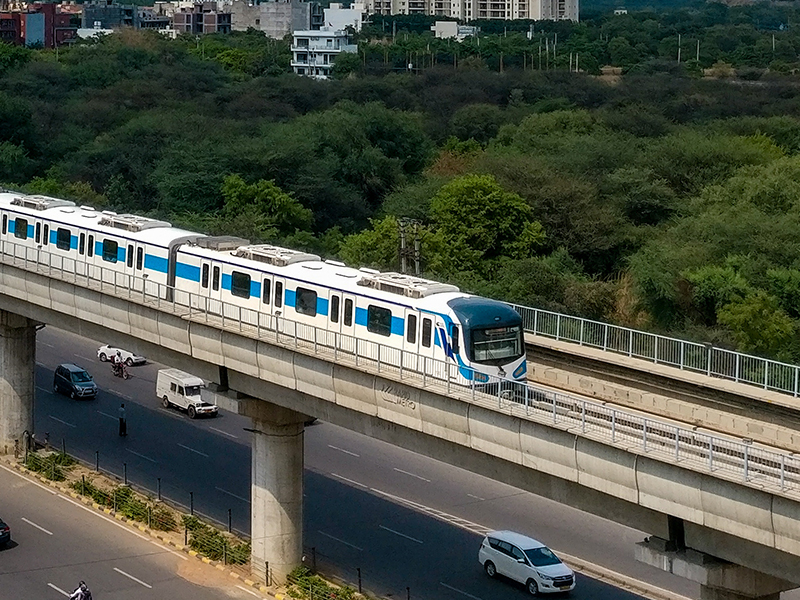
One of the most notable advantages of this metro link is its potential to streamline access to essential healthcare services. Patients from across the country traveling to Delhi for treatment at institutions like AIIMS (Jhajjar) will find their journey significantly shortened, with the NCI accessible within a mere half-hour. Moreover, the metro line is poised to alleviate the daily commuting woes of local residents, providing a convenient alternative to the current long-distance travel to metro stations at Huda City Centre, Iffco Chowk, or MG Road, which are situated 15 to 20 kilometers away.
In an era characterized by rapid urbanization, the importance of efficient public transportation systems cannot be overstated. Recognizing this need, the Haryana Mass Rapid Transport Corporation (HMRTC) has embarked on an ambitious mission to enhance connectivity through multiple metro projects across the state. By strategically mapping out metro routes, the corporation aims to interconnect densely populated residential areas, commercial centers, and industrial zones, particularly in Gurgaon, thereby significantly reducing commuting times and fostering seamless travel within the state.
The impact of these metro projects extends beyond mere transportation improvements; they are poised to spark a revolution in real estate development. Just as the Dwarka expressway catalyzed a boom in the real estate sector, the proposed metro link is expected to further invigorate the market. Real estate promoters, industrialists, and entrepreneurs are eagerly eyeing investment opportunities in the areas along the metro corridors, anticipating a surge in demand for commercial and residential properties.
The state government's proposal to construct a 9-kilometer link road connecting the Dwarka expressway with AIIMS/NCI Jhajjar near KMP, where Flipkart plans to establish Asia's largest warehouse, further underscores the potential economic growth facilitated by these infrastructure initiatives.
Signature Global, one of the city's leading real estate promoters, has lauded the government's metro plan, recognizing its role in accelerating economic activities and improving amenities in the region.
Experts foresee a ripple effect of enhanced connectivity, with investments flowing into areas along metro corridors, leading to the development of vibrant commercial complexes, residential projects, and entertainment hubs. This economic stimulus, in turn, will contribute to job creation, bolster property values, and usher in an era of prosperity for Haryana.

The imminent opening of the Dwarka Expressway on March 11 heralds a momentous occasion for the residents of Gurgaon. Scheduled to be inaugurated by Prime Minister Narendra Modi, this event signifies a significant milestone in the annals of urban development, particularly in Gurgaon, now known as Gurugram. The sectors flanking the Dwarka Expressway have emerged as prime investment destinations, boasting exceptional infrastructure that has elevated their status as high-potential real estate zones. The allure of owning property in these sectors lies in its promise of providing a perpetual source of livelihood, making it an enticing prospect for discerning property buyers aiming to secure their future and that of the succeeding generations.
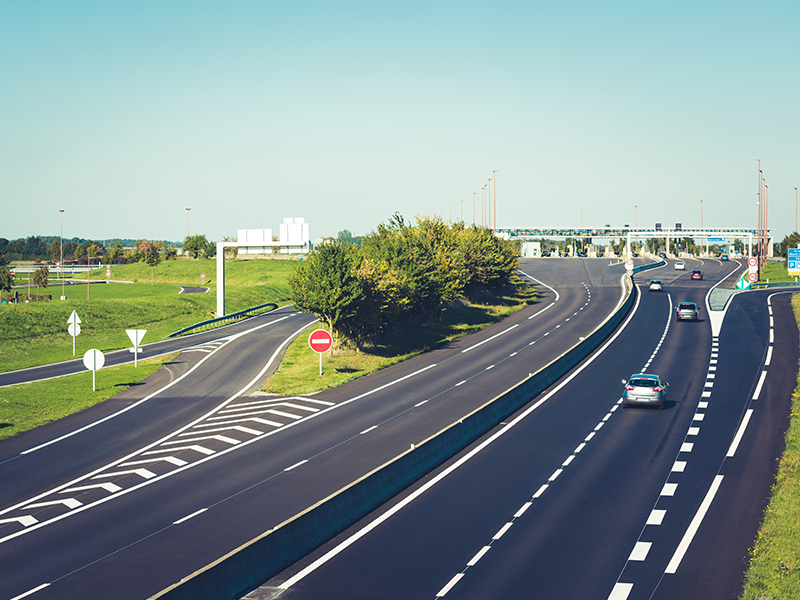
The Gurgaon segment of the expressway, spanning approximately 18 kilometers, will finally open to traffic on March 11, 2024, nearly fifteen years after its inception by the Haryana state government. Subsequently, in 2016-17, the project was taken over by the National Highway Authority of India (NHAI) and extended to Shiv-murti, Mahipalpur in New Delhi. The expressway has played a pivotal role in augmenting the value of real estate assets such as land, plots, and flats, triggering a surge in property appreciation and shaping a burgeoning trend in the property investment landscape, with eager buyers actively seeking opportunities to invest in commercial, residential, or mixed-use properties.
Extending nearly 29 kilometers from KherkiDaula toll in Gurgaon to Mahipalpur Shiv-murti in New Delhi, the Dwarka Expressway predominantly comprises elevated stretches designed to facilitate seamless long-distance traffic flow. With numerous entry and exit points, as well as loop lanes, the expressway offers Delhi and Gurgaon commuters a hassle-free travel experience, significantly reducing travel time to a mere twenty minutes compared to the congested NH 48 route.
The impending inauguration of the expressway is poised to catalyze a monumental transformation in the real estate sector and ancillary infrastructure within the vicinity. Business prospects are set to expand, attracting individuals from across the National Capital Region (NCR) seeking permanent residence or employment opportunities. Both the state government and the Center regard the Dwarka Expressway as the future lifeline of Gurgaon, a project conceived decades ago that has now materialized as a momentous gift to the city by the esteemed Prime Minister.
Against the backdrop of ongoing initiatives such as the Rapid Rail Transit System (RRTS) and the development of Gurgaon Railway Station, sectors adjoining the Dwarka Expressway have attained unparalleled value, prompting the government to adopt a more inclusive approach towards real estate development catering to individuals across all income brackets. Signature Global, a reputable real estate firm renowned for its timely delivery of residential and commercial projects, warmly welcomes the imminent inauguration of the expressway by the honorable Prime Minister, foreseeing it as a historic moment poised to leave an indelible mark on the city's landscape.

The imminent opening, of the 19-km Haryana stretch of Dwarka Expressway will mark a significant milestone in the realm of infrastructural development in the region. This long-awaited project promises to revolutionize connectivity, spur economic growth, and enhance the overall quality of life for residents and businesses alike. As anticipation mounts for its opening, people are hopeful for improved commuting conditions.
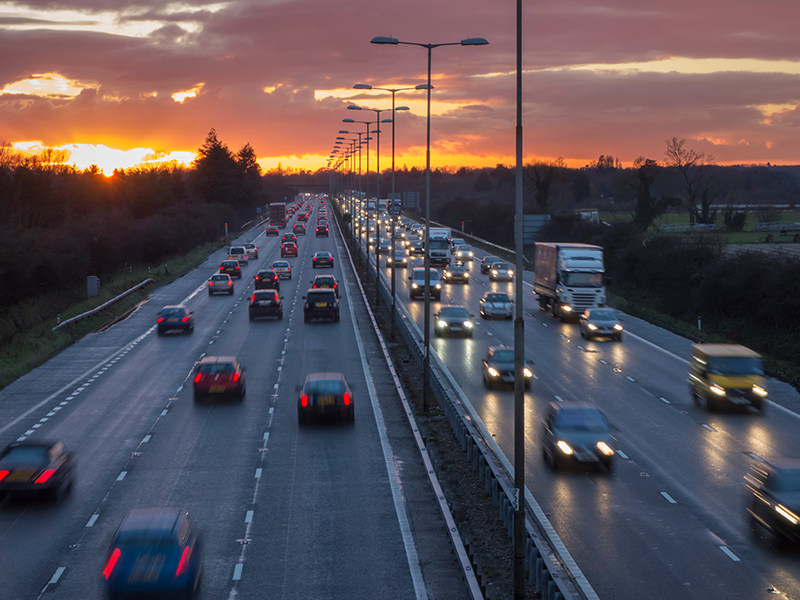
Once fully operational, this 28.5-km long Expressway will serve as a crucial link between the national capital and the bustling city of Gurgaon. The enhanced connectivity will not only ease traffic congestion on existing routes but also streamline transportation, facilitating smoother movement of goods and people. Daily commuters are looking forward to reduced travel times, thereby improving productivity and reducing stress associated with long commutes.
One of the most significant impacts of the Dwarka Expressway will be felt in the real estate sector. With improved accessibility and connectivity, areas along the expressway corridor are certain to experience a surge in demand for residential, commercial, and industrial properties. The development of new townships, commercial hubs, and industrial zones along the route is inevitable, driving economic growth and employment opportunities in the region.
The construction of the Dwarka Expressway has not only focused on road connectivity but also spurred infrastructural development along its route. Investments in utilities, healthcare facilities, educational institutions, and recreational amenities are expected to follow suit, transforming previously underdeveloped areas into vibrant, self-sustaining communities. This holistic approach to development ensures that residents benefit from a well-rounded living experience.
The inauguration of the Haryana stretch of the Dwarka Expressway, from a larger perspective, will attract domestic and foreign investments into the region. The improved connectivity and conducive business environment together will make it an attractive destination for prospective investors looking to establish a presence near the national capital. This influx of investments is expected to create job opportunities and stimulate economic growth as well as foster innovation and entrepreneurship in the region.
In terms of aesthetic beauty, with provisions for green spaces, pedestrian walkways, and sustainable drainage systems, the project aims to strike a balance between development and environmental conservation. Additionally, by reducing traffic congestion and vehicular emissions, the expressway contributes to improving air quality and reducing the carbon footprint.
Reputed real estate companies such as Signature Global believe that the impending opening of the Haryana stretch of the expressway will herald a new era of progress and prosperity in the region. Beyond merely connecting the two cities, it symbolizes a commitment to inclusive growth, sustainable development, and improved quality of life for all stakeholders.

Over the last twenty years, sectors spanning from 70 to 115 alongside SPR and NPR (popularly known as Dwarka Expressway) have risen to prominence due to their strategic positioning, excellent connectivity via roads and highways, and alignment with the RRTS. These sectors, collectively referred to as New Gurugram, represent a burgeoning urban center within the NCR.
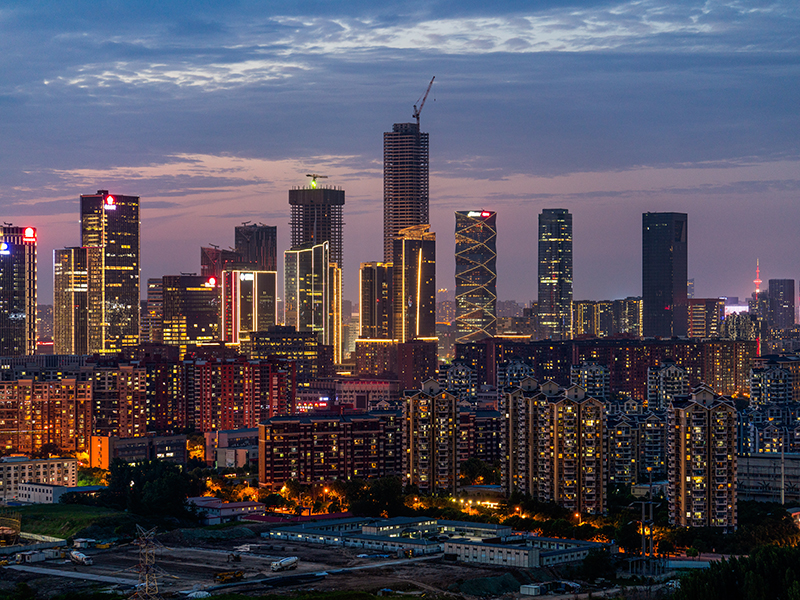
The areas surrounding the Dwarka Expressway in Gurgaon have witnessed a surge in attention over the past decades, largely attributed to the upscale expressway project overseen by Union Minister Nitin Gadkari. With their avant-garde infrastructure, vibrant commercial districts, and contemporary residential developments, these sectors are reshaping the urban landscape across NCR cities. A primary catalyst behind the ascent of New Gurugram sectors is their robust infrastructure; meticulous planning has resulted in expansive road networks, efficient transportation systems, and modern amenities, facilitating seamless connectivity both locally and regionally.
The new sectors in New Gurugram are blessed with superb infrastructures – the Dwarka Expressway, NH-48, RRTS, Kundli Manesar Palwal (KMP) expressway, Delhi Mumbai Industrial Corridor, and other projects at various stages. Sector 102-A, a major chunk of the new sectors, is blessed with a superb hospital being built by the state government – a 700-bedded hospital to accelerate many economic growths in the region, and a big warehouse is proposed to come up along the KMP that will open up huge job opportunities in the area and boost the real estate sector.
Now, these sectors have emerged as a thriving commercial hub, attracting businesses from various sectors such as multinational corporations, IT parks, and commercial complexes, denoting the area's growing importance as a business destination enveloped with state-of-the-art office spaces, co-working hub concepts, and retail centers. The sectors’ proximity to the international airport adds to the area's allure for global enterprises seeking strategic locations.
Beyond its commercial prowess, the New Gurugram sectors also boast modern residential enclaves catering to diverse lifestyles. From luxurious high-rise apartments to gated communities and villa projects, the real estate landscape here offers a spectrum of housing options. The emphasis on green spaces, recreational facilities, and integrated townships enhances the quality of life, making it an attractive choice for families and professionals alike. Moreover, the presence of reputed educational institutions, healthcare facilities, hospitals, and entertainment zones adds to the allure of residing in these sectors.
With the upcoming development projects, smart city initiatives, and investment inflow, the area is poised to capitalize on its potential and emerge as the undisputed epicenter of Delhi NCR. With progressive infrastructure, burgeoning business opportunities, and a high quality of life, these sectors are set to shape the future of the region. As they continue to evolve and expand, they hold the promise of becoming a model for sustainable urban development, setting new benchmarks for growth and prosperity in the National Capital Region.
Signature Global has some highly sought after residential projects in New Gurugram’s various sectors and believes the new sectors have huge potential, and the same will reshape the city's future.

Gurgaon is known primarily for its corporate hubs, burgeoning urban landscape, and skyscraper residential buildings, among other features. The city is currently witnessing a remarkable transformation, largely in terms of the real estate sector, especially in the realm of luxury properties. With an increasing focus on sustainability and eco-conscious living, real estate promoters are redefining the concept of luxury homes not only in Gurgaon but also throughout the entire country.

Forward-thinking real estate companies are integrating green building practices, energy-efficient technologies, and eco-friendly materials into their projects to fulfill the current needs of the situation, especially in the post-Covid era. It is a fact that from LEED-certified buildings to innovative water conservation systems, sustainability is no longer an option but a fundamental requirement in the luxury segment. One of the key trends reshaping luxury real estate in Gurgaon is the integration of green spaces in and around real estate projects—such as lush gardens, landscaped parks, and rooftop terraces—not only enhancing the aesthetic appeal but also promoting biodiversity and offering residents a serene retreat amidst the urban chaos, which property buyers now prefer to secure a future for the next generation. These green spaces serve as a testament to the commitment towards sustainable living and holistic well-being.
Additionally, luxury living in a city like Gurgaon is increasingly synonymous with tech-driven smart home systems that prioritize components such as energy efficiency, comfort, and convenience. From intelligent climate control systems to automated lighting and security features, residents, cum intelligent homebuyers, today want to effortlessly manage their living spaces and trends while minimizing energy consumption. This fusion of luxury and technology reflects the evolving lifestyle preferences of the urban elite.
Mixed-use developments featuring high-end residences, retail outlets, recreational facilities, and cultural spaces collectively foster a sense of belonging and connectivity among residents. Sustainable transportation solutions, such as electric vehicle charging stations and cycling tracks, further promote eco-friendly mobility within these communities.
With sustainability becoming a priority for both developers and homebuyers, innovative financing models are emerging to support green initiatives in luxury real estate projects in cities like Gurgaon and others. Signature Global integrates green building practices and energy-efficient technologies into their projects, while also asserting that government incentives, tax benefits, and green financing options serve as incentives for real estate developers to invest in sustainable technologies and practices. Similarly, homebuyers are also increasingly willing to pay a premium for properties that prioritize environmental conservation and resource efficiency.
These facts contribute to the notion that the real estate sector has changed drastically to adapt to the global situation and secure the future for the next generation.

A city like Gurgaon is a strong commercial hub – the business opportunity in this city is immense because of the high return on every investment. There is no doubt that commercial real estate in India has emerged as a powerful economic landscape, encompassing a diverse range of properties designed for business and commercial activities in Gurgaon and in the entire world, including India. From office spaces and retail outlets to industrial complexes and logistics hubs, the sector has contributed to the economic growth of the city – Gurgaon generates more than seventy per cent revenue for the state.

It is good to invest in the real estate sector for a good return on investment - commercial and residential properties – both avenues offer distinct advantages. Commercial real estate encompasses properties used for business purposes, such as office buildings, retail spaces, industrial warehouses, and multifamily apartment complexes. On the other hand, residential real estate comprises single-family homes, condominiums, townhouses, and apartment buildings intended for residential occupancy.
If real estate experts are to be believed, they say that an office space at a prime location in the city may yield more rental income than a similarly sized residential apartment located in the area. They also believe commercial leases often come with longer lease terms, providing greater stability and predictability of cash flow for investors, indeed. Moreover, commercial leases often include provisions for tenants to cover operating expenses such as property taxes, insurance, and maintenance costs, further enhancing the property's net operating income. In contrast, residential leases typically require landlords to shoulder these expenses, which can erode overall profitability.
Also, commercial real estate offers opportunities for value appreciation through property development, redevelopment, and lease renegotiation. Renovating or repositioning a commercial property to better suit tenant needs or market demands can significantly increase its market value and rental income potential. Additionally, commercial leases often include periodic rent escalations or provisions for revenue-sharing arrangements, allowing landlords to capture upside potential as property values increase.
In the opinion of real estate experts, while both commercial and residential real estate offer unique advantages and opportunities for investors, the decision ultimately depends on individual investment goals, risk tolerance, and market dynamics. While commercial properties may offer higher rental income potential and scalability, they also entail greater capital requirements and market risks. On the other hand, residential properties provide stability, tax advantages, and broader market appeal. Diversification across both asset classes may be the optimal strategy for investors seeking to maximize their ROI while mitigating risk.
Signature Global, a prominent real estate promoter, has delivered more than three dozen residential and commercial units in Gurgaon in the past decade, which indeed has accelerated economic growth – helping investors with a high return on investment.

An essential requirement for the area, a railway over bridge (ROB) at Sector 37D holds significant promise. It will offer residents of Basai, Sectors 9, 36, 37C & 37D, and neighboring areas direct and convenient access to the Dwarka Expressway. The ROB will connect old Gurugram with the new sectors on the Dwarka Expressway, not only improving intra-city connectivity but also transforming the last-mile connectivity between new Gurugram and metro stations and the city’s bus station.
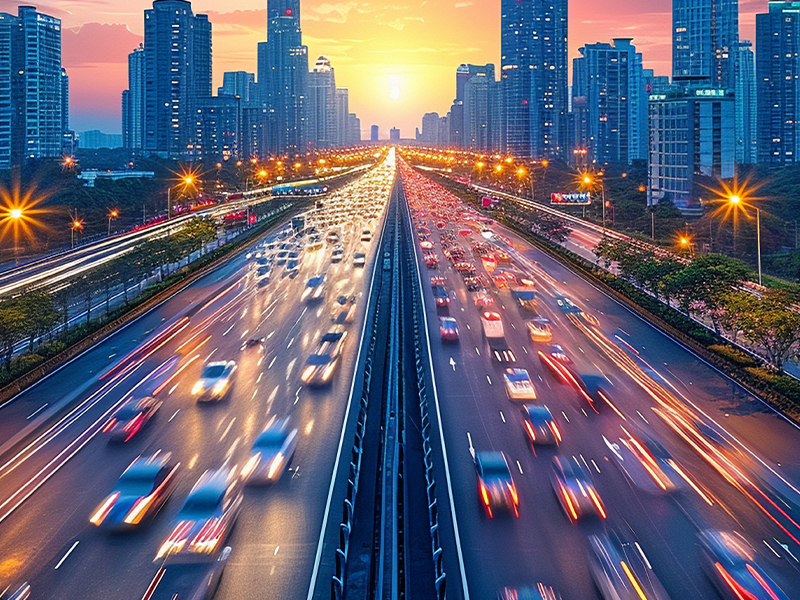
Furthermore, the proposed location of the ROB is on a revenue road - narrow and inadequate to accommodate vehicles at present, resulting in congestion. The route where the ROB is proposed, near the Basai water treatment plant and NBCC housing complex, is a busy road as it connects Garhi, Harsaru, and other villages. In the absence of the ROB, the railway track or crossing here is currently managed manually, leading to long traffic jams on both sides when trains pass.
It's important to note that the Haryana government has granted licenses to many real estate promoters in the city who have developed or are developing numerous commercial and residential projects in Sector 37C & Sector 37D. However, they lack easy access to the Dwarka Expressway due to the railway line in between. As a result, residents are left with no choice but to approach the Dwarka Expressway via the Basai flyover.
The Haryana government also plans to build or develop a Global City in the area, which is a high-potential real estate zone. The residents of localities on both sides of the railway line, from Rewari to Delhi, will benefit from the ROB. The Gurugram Metropolitan Development Authority (GMDA) will construct the ROB and widen the road to accommodate vehicles on this busy route.
Presently, navigating this route proves challenging, with residents enduring a three to four-kilometer journey filled with twists and turns, leading to unnecessary consumption of fuel, energy, and time.
Sectors such as 99, 99A, and others will also benefit from the ROB, as they currently face challenges commuting to and from the city due to the lack of easy railway line crossings. It's worth noting that the Delhi-Gurugram-Rewari railway line, which separates old Gurugram from new Gurugram, still has manually managed crossings at many points.
Signature Global, a trustworthy real estate promoter, has delivered numerous housing and commercial projects, has appreciated the ROB plan, as it’s a timely solution to the commuting problems of Gurugram residents.

Prime Minister Narendra Modi laid the foundation stone for the long-awaited Gurugram Metro Rail Project from Rewari on February 16, alongside initiating various other state projects like a 750-bedded AIIMS Rewari at Majra Bhalkhi village. This project will be developed at a cost of about Rs 5,450 crore and will be connecting the old city to the new sectors along SPR and NPR.
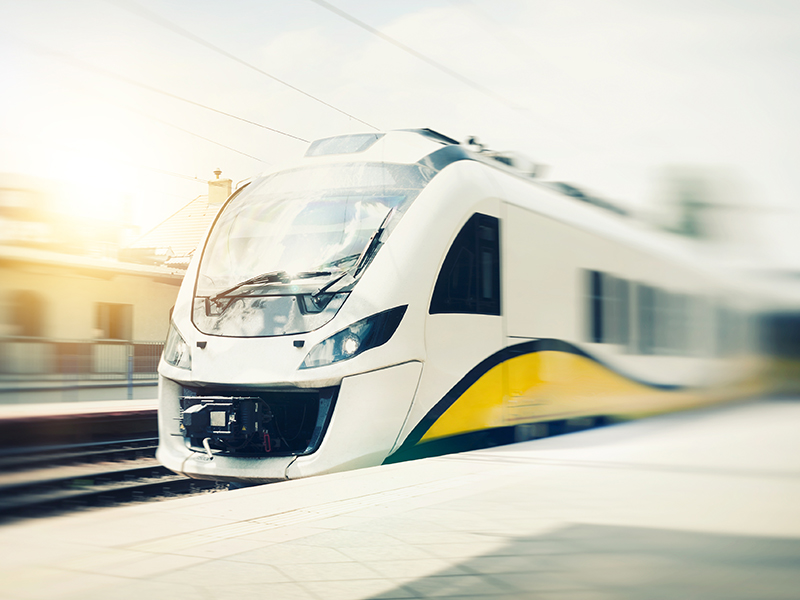
The foundation for the 28.5-KM long metro line – extending the DMRC line from the Huda City Centre to Sohna Road, NH-48 to Old Gurugram, Dwarka Expressway to terminate at Cyber City – will suffice to transform the needs of the entire Gurugram population. It will revolutionize the city's daily commuting, significantly improving connectivity between NCR cities, facilitating smoother travel for commuters, and reducing travel time.
As per the project’s detailed report, the stations on the route are:
Huda City Centre, sector 45, Cyber Park, sector 47, Subhash Chowk, sector 48, 72 A, Hero Honda chowk, Udyog Vihar 6, sector 10, 37, Basai, sector 9, 7, 4, and 5, Ashok Vihar, sector 3, Bajghera road, Palam Vihar Extension, Palam Vihar, sector 23 A, 22, Udyog Vihar 4, Udyog Vihar 5 and Cyber City.
Enhanced connectivity will undoubtedly attract more businesses and investment to Gurugram, fueling its economic development and enhancing its appeal for both residents and businesses. Furthermore, the implementation of an efficient metro system could alleviate traffic congestion, a chronic problem stemming from rapid urbanization and population growth. This reduction in traffic congestion would also result in lower pollution levels, enhancing air quality and fostering a healthier living environment for residents.
As one of India's major rapidly growing urban centers, Gurugram stands to benefit substantially from this development, as do its residents in terms of last-mile connectivity. To date, metro facilities are available only on the Yellow line of Delhi, terminating at Huda City Centre – a large part of the city struggles hard to reach this or other metro stations to utilize this facility for travel to and from Delhi and other NCR cities. Once extended throughout the old city of Gurugram, a densely populated area, it will prove to be a boon to the residents, indeed.
There is no doubt that the metro is the safest and fastest mode of transport, widely used by the masses, and it is the lifeline of the NCR. Currently, the Delhi metro is limited to a five-kilometer length with five metro stations – Guru Dronacharya, Sikandarpur, MG Road, Iffco Chowk, and Huda City Centre – since 2008-09.
Improved connectivity can lead to the development of new commercial hubs and residential areas along the metro corridor, potentially boosting property values and stimulating real estate development. Signature Global - a leading real estate promoter has welcomed the move, appreciating the project as a milestone achievement and as the ultimate need of the time in the rapidly growing city of Gurugram, which is a showcase city of the country.

The real estate sector is undergoing a global change – India is no exception – in terms of adopting the practice of global calls and trends to meet the climate challenges looming large across the world for human habitat.
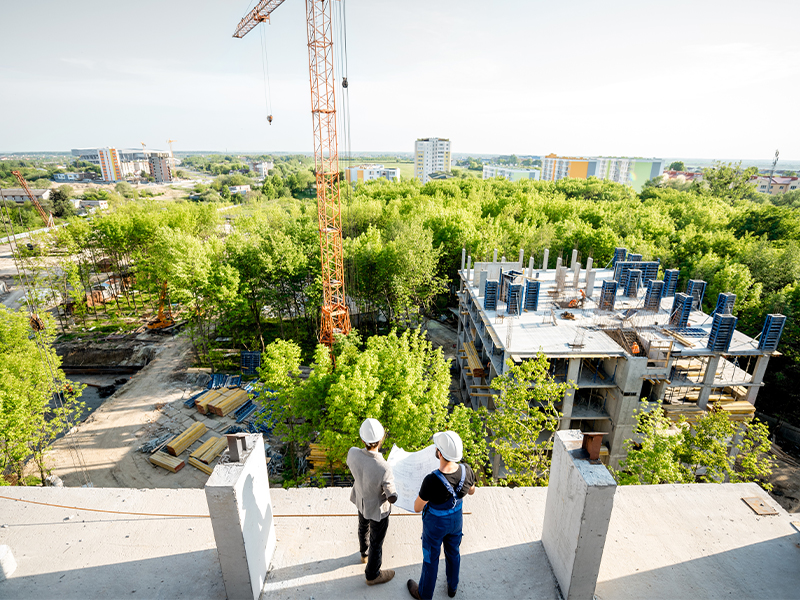
The fact that human habitat cannot survive without ecological balance – in the real estate sector, blind construction is not acceptable as of today too. Real estate promoters are as concerned about it as the homebuyers, and this is a good indication of stepping towards green construction or sustainable development. The real estate sector in Gurgaon, which is a showcase city of India to the world, is ahead of many other cities in the world in terms of shifting towards environmentally conscious and sustainable living as a mark of a noble gesture towards nature – towards global environmental concerns.
Homebuyers are ecologically concerned; they are looking for an eco-friendly lifestyle which is becoming more and more popular, reflected in the appeal of properties with energy-efficient features and green certifications – Gurgaon has pioneered in this regard.
Real estate promoter Signature Global has adopted the practice long back in its construction, and the same has been acknowledged by the government and rewarded. Considering Gurgaon as the fastest-growing city with the population increasing on an average of two lakhs and more every year, the government is keen to provide homes to the needy, and real estate promoters like Signature Global are keen to build projects in line with sustainable development.
The city can survive only when there is ecological balance – forests and greenery are properly proportioned, and all elements of sustainable development are well in place. The government has indeed acknowledged the need for sustainable development and has put in place several laws to support the adoption of environmentally friendly practices in the real estate industry. The government is promoting and encouraging developers who have inclined to adopt sustainable building designs and green construction techniques by offering them incentives. The country's green real estate market has grown significantly as a result of these government initiatives.
Gurgaon’s population as of today is more than thirty lakhs. The world’s top companies are operating from this city. This city is the political center of the country besides being the house of tens of thousands of garment, automobile, IT industries, and companies. The central and state governments are trying to utilize the real estate potential of this city by providing excellent infrastructure, but the same is not possible without a sustainable approach in construction – the future of the next generation is safe there only.

Haryana is a state with a galloping economy, and cities such as Gurgaon serve as the epicenter of revenue and showcase the country's potential to the world. This sentiment was echoed by the Honorable Vice President of India just a week ago, praising the rapid development of the city and the population explosion owing to growing opportunities. The recent decision by the Haryana State Industrial and Infrastructure Development Corporation (HSIIDC) to allocate Rs 15 billion towards infrastructure development equally marks a significant milestone for the state's growth trajectory.
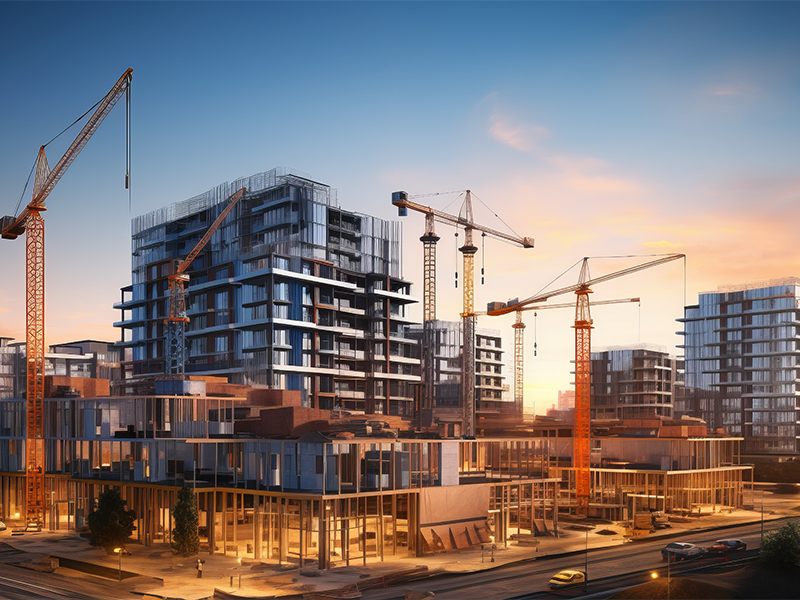
This substantial investment signals a strategic commitment by the government to bolster Haryana's infrastructure. Such a move is poised to have far-reaching implications for the state's economy and overall development. At the heart of this initiative lies the recognition of the pivotal role that infrastructure plays in fostering economic prosperity and attracting investments. Haryana, with its strategic location in northern India and its burgeoning industrial landscape, stands to benefit immensely from enhanced infrastructure, and the business potential of Gurgaon indeed forms the backbone. The allocation of such a substantial sum also underscores the government's proactive approach towards addressing critical infrastructure gaps and laying the groundwork for sustainable development.
One of the primary areas of focus for the allocated funds is likely to be the improvement of transportation networks, as efficient transportation infrastructure is vital for facilitating the seamless movement of goods and people, thereby reducing logistical bottlenecks and enhancing connectivity. Investments in road and rail networks, as well as the development of transportation hubs, can significantly bolster Haryana's competitiveness as a business destination and stimulate economic activity across the state.
Gurgaon is a global city, with investors from across the world prospecting for good potential investment returns. Haryana boasts a robust industrial base, encompassing sectors such as manufacturing, IT, automotive, and agriculture. However, inadequate infrastructure has often posed challenges for businesses, ranging from logistical constraints to suboptimal connectivity. By investing in infrastructure, the government aims to create an enabling environment for industries to thrive, attract investments, and generate employment opportunities.
Let us not forget that the HSIIDC is building a Global City in the heart of Gurgaon, and it is also planning to build and develop urban corridors along the eastern and western peripheral corridors for what the state government has formulated as the Panchgaon Development Authority. Real estate promoter Signature Global sees a bright scope for the development of the city and state with the HSIIDC's move, believing infrastructure to be the driving force of urban development currently. With rapid infrastructure development in roads, highways, as well as rail and metro systems, Gurgaon has left many cities of the country behind, which is why everyone desires to settle and buy property in this city.

There is no doubt that India is the fastest-growing market in the world, and it is the prime destination for investors in every aspect of business – from consumer goods to the service sector to automobiles and garments. But undoubtedly, the top priority as of now for investors is the real estate sector – in such terms, Gurugram is the hub. The population of Delhi and other NCR cities is rapidly increasing, and it is believed that it will reach ninety million by 2031, with Gurugram alone expected to have a population of more than forty lakhs by then.

With such a perception, the probability that the real estate market will continue to boom over the next few decades is very much true, and the established real estate promoters will certainly get the maximum benefit. The real estate landscape in Gurugram, in fact, has been witnessing a remarkable boom, and all indications point towards a sustained growth trajectory for the years to come. This flourishing real estate market presents a unique opportunity for listed players in the sector to capitalize on the increasing demand for residential and commercial properties, indeed.
Let us not forget that Gurugram, often referred to as the Millennium City, has evolved into a thriving economic hub with a burgeoning corporate presence in the country. The Honorable Vice President of India recently praised this city in his speech, calling it a showcase of India to the world. The city's strategic location, well-planned infrastructure, and proximity to the national capital have attracted numerous multinational companies, leading to a robust employment market. As a result, the demand for housing and commercial spaces in Gurugram has surged, laying the foundation for a sustained real estate boom. And this boom has come close on the heels of the government's commitment to improving connectivity through the expansion of roads, metro lines, and the development of the Dwarka Expressway, which indeed has been the game-changer. These infrastructural enhancements have not only made Gurugram more accessible but also contributed to the city's overall appeal, attracting both businesses and residents.
In the years to come, Gurugram’s real estate promoters will have huge opportunities to come up with housing and commercial projects to cater to the needs of the burgeoning population attracted by the huge job opportunities. Signature Global, a prominent real estate promoter, has delivered maximum real estate projects and emerged as the most successful promoter amongst many, with a commitment and loyalty to its allottees. For Gurugram, today is a magnet for individuals seeking a better and improved quality of life. The influx of young professionals and families migrating to the city has created an unprecedented demand for housing, driving property prices upwards. This surge in population, coupled with a growing middle class with increased purchasing power, forms a strong foundation for the real estate boom in Gurugram.

The large part of the Indian population consists of sections of the middle class – who aspire for a better life in cities, and it is estimated that seventy percent of the population of India will live in cities only over the next few decades. Thus, the Union government’s announcement of a housing scheme would definitely help the desired sections of the middle class to buy or build their own houses, and the same will boost the growth of the housing market. According to real estate experts, it is a significant move aimed at addressing the growing housing needs of the middle-class population of the country, and the move has unveiled a groundbreaking housing scheme indeed. This highly ambitious initiative, set to span the next five years, promises the construction of an additional 20 million houses, signaling a transformative shift in the country's housing landscape.

Worth noting, the announcement comes at a time when housing affordability remains a pressing issue for millions of middle-class families in the country. With skyrocketing property prices and limited access to affordable housing options, this new scheme aims to bridge the gap and provide a tangible solution to one of the most fundamental needs of the growing middle-class demographic – Gurugram is set to benefit from its job opportunities in multiple sectors. However, at the heart of the initiative is the government's commitment to fostering economic growth, job creation, and social stability.
By focusing on the housing sector, policymakers aim to stimulate various allied industries, including construction, manufacturing, and real estate, thus contributing to the overall economic development of the country. One of the key features of the initiative is its emphasis on inclusivity. The government recognizes the diverse needs of the middle class and aims to cater to various income groups within this demographic. Let us not forget that from affordable housing units to moderately priced homes, the initiative seeks to provide options that align with the financial capacities of different segments of the middle-class population of the country. The scale of this endeavor seems unprecedented. If executed effectively, it has the potential to reshape the urban and suburban landscapes across the country. Indeed, Gurugram will be totally different this way since the real estate potential of this city is huge. The success of the scheme will not only be measured by the sheer number of houses built but also by the positive impact it has on the lives of the beneficiaries.
Real estate promoter Signature Global believes the initiative will help the economy grow, as well as prosperity, and Gurugram deserves its dues, which is why the company is planning to invest in housing for such a desired segment of society.

The areas or sectors around the Dwarka Expressway, which is the dream project of Union Minister Nitin Gadkari, are the prime destination for real estate investors, as well as for those who wish to buy property for permanent living and are thinking of settling with their family to secure the future of the next generation. The expressway, expected to see the light of day anytime this month, is set to establish a precedent of progress and development in Gurugram and the state of Haryana in particular.
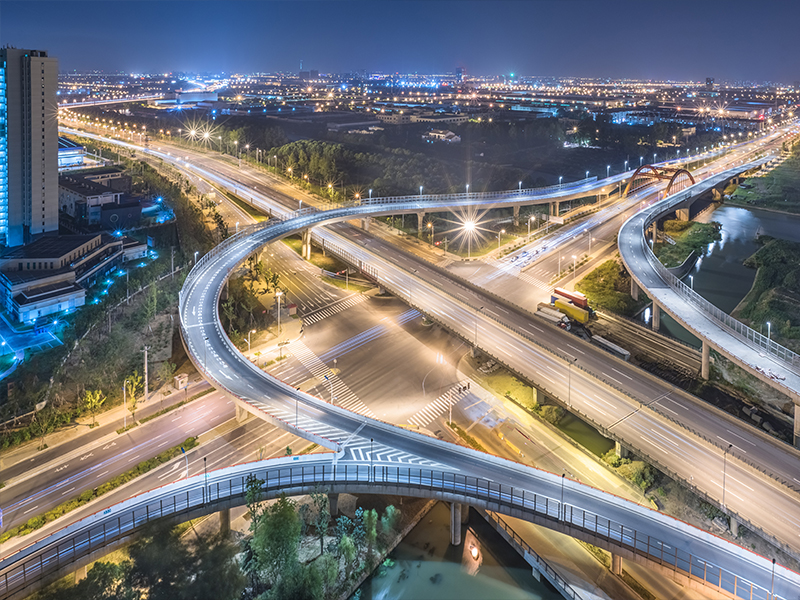
Gurugram is a wonderful city and a prime destination for the government to make it a top and model city of the country, showcasing it to the world. The sectors around the Dwarka Expressway have emerged as the most coveted real estate hubs in Gurugram, capturing the attention of both homebuyers and investors. The strategic location, robust infrastructure development, and promising future prospects make these areas highly sought after in the ever-evolving real estate landscape, as believed by real estate experts.
One of the primary factors contributing to the skyrocketing demand for properties along the Dwarka Expressway and in sectors around it is its proximity to the international airport, making it a crucial link between the national capital and the millennium city. This connectivity will significantly reduce the travel time between Delhi and Gurugram, attracting people who work in both cities and travel daily. Among other reasons, the areas around the expressway have seen wonderful development in terms of schools, hospitals, commercial establishments, malls, and markets, enhancing the overall appeal of the areas. Several prominent real estate promoters have invested in these areas, resulting in the creation of upscale residential and commercial projects and integrated townships, with the availability of world-class amenities such as shopping malls, recreational spaces, and healthcare facilities.
A metro line is also proposed, which is set to further improve connectivity in the area, making investment more desirable. Additionally, the establishment of the International Convention and Exhibition Centre (ICEC) near the international airport and close to the border of Delhi-Gurugram is expected to attract business and tourism, further boosting the real estate market. Real estate promoters like Signature Global and others have come up with many wonderful real estate projects to fulfill the needs of prospective property buyers and investors.
The fact that real estate investors are largely drawn towards the sectors around the expressway is due to its hidden real estate potential. Rapid development of infrastructure in the area means property prices are expected to witness further steady rises. The promise of high returns on investment has fueled the interest of both seasoned investors and first-time homebuyers, solidifying these areas as lucrative prospects in the real estate market.

As of the present date, the key link road connects NH-48 with the Dwarka Expressway from one end at Hero Honda Chowk and Sector 102 on the Dwarka Expressway – a length of roughly nine kilometers is in the priority list of commuters for to and fro travel from the main city to new sectors.

This key-link road does not have a name, and since its 1.5 KM portion was built two years ago only from Basai Chowk to Sector 102, Dwarka Expressway, and opened for traffic, it has led to a sudden increase in vehicular movement between NH 48 and the Dwarka Expressway, and further towards AIIMS in Jhajjar via KMP. For decades, the road in question has been and is in bad shape – lacking a median wall or iron mesh, signals, greenery, service lanes, drainage, etc., putting commuters to the task of hassle. The road has been in use for long route - private and government - buses plying frequently, ferrying passengers, and now after two flyovers – one at Basai and another over the Rewari Delhi railway track at Sector 109 – built and made operational, it has become a prominent road corridor for Chandigarh as well.
Now, the new sectors along the Dwarka Expressway have largely been populated, with real estate promoters offering possession of flats and apartments to end-users cum owners, increasing the traffic frequency many times in the recent past only.
The current neglected state of this key-link road cannot be left unattended anymore - the custodian authority of the road such as the Gurugram Metropolitan Development Authority (GMDA) has planned to build its landscape by improving greenery, median iron mesh, and other repair works. This key-link road is set to prove a lifeline for new Gurugram residents. As of the present date, intra-city commuting, largely to and fro from areas beyond the Rewari-Gurugram Delhi railway line towards the Dwarka Expressway and the main city, is troublesome – not a single encumbrance-free road exists as of now except this key-link road, which itself is in a pathetic state.
This key-link road caters to sectors like 10, 10A, 9, 9A, 37 (including C & D), Basai, Dhankot, Sector 99, 100 to 104, and further areas. This key-link road is set to prove a lifeline for the district's biggest government hospital – Shhetala Mata – under construction at Sector 102A. Many schools, malls, markets, residential and commercial projects are set to benefit from this road once it is beautified and repaired to accommodate the burgeoning traffic movement. The landscaping such as putting iron mesh at the median and improving greenery on it and in the service land and repairing of potholes – the GMDA has planned all for the benefit of the commuters and to build hygienic vehicular movement. The city’s prominent real estate promoter, Signature Global, has hailed the GMDA’s efforts in the larger interest of the city.

India's housing market is poised for significant growth, fueled by an upsurge in demand and a confluence of favorable factors – initiated by the government. With a population of over 1.3 billion and a burgeoning middle class, the need for quality housing has never been more pronounced. The driving force behind this surge in demand is the rapid urbanization sweeping across cities such as Gurugram and others in the country, as more people migrate from rural areas to cities in search of better opportunities and a settled life. The demand for housing has skyrocketed, and it will continue to remain in force for another decade. The trend is particularly evident in major metropolitan areas like Gurugram, Delhi, Mumbai, Bangalore, and others, where job opportunities are available to feed the millions, drawing in a steady stream of young professionals.

The Centre’s recent push for housing initiatives has played a pivotal role, and the same will continue to be pivotal in shaping the landscape of the real estate sector. Gurugram will get the maximum benefit from it in the current financial year of 2024. The government schemes have incentivized not only real estate promoters to focus on building housing projects to cater to the needs of the middle and lower-income segments, but also motivated people to invest or buy property and secure the future of the next generation. The boost in demand for such homes has led to a flurry of construction activities, transforming the skyline of many cities. Gurugram has seen tremendous development in this regard. This has encouraged first-time homebuyers and also spurred investment in the real estate market, as individuals see the potential for long-term appreciation.
In the recent past, the rise of remote work accelerated by the global pandemic has influenced housing preferences in Gurugram and other Indian cities. The demand for spacious and well-designed residences has surged, and real estate promoters are quick to adapt, incorporating home offices and modern amenities into their projects to meet the evolving needs of the workforce.
The push towards sustainable and environmentally friendly housing is another trend gaining traction in Gurugram's construction sector and in other cities of India as well. With growing awareness of climate change and environmental issues, homebuyers are increasingly looking for properties that incorporate green building norms and practices. Developers are responding by integrating eco-friendly features such as solar panels, rainwater harvesting systems, and energy-efficient designs into their projects. Signature Global, Gurugram’s prominent real estate promoter, has incorporated such practices long ago and has been an ardent advocate of green building norms.